Alpha-Lipoic Acid

Supports antioxidant defense and healthy glucose metabolism already within the normal range.
Alpha-lipoic acid is made in small amounts by the body and found in foods such as spinach, broccoli and organ meats.
Ingredients
These are the ingredients our formulation draws on.
Each month, your formula is rebuilt from this library based on your questionnaire answers, and on your wearable data and blood markers where you share them. No one receives every ingredient, and what your formula carries can change from month to month as your inputs change.
75 results
Supports antioxidant defense and healthy glucose metabolism already within the normal range.
Alpha-lipoic acid is made in small amounts by the body and found in foods such as spinach, broccoli and organ meats.
Supports cellular energy production and heart health.
Coenzyme Q10 is found in every cell, with the highest levels in the heart, liver and kidneys. The body's own production declines with age.
Supports hormonal balance and healthy glucose metabolism already within the normal range.
Myo-inositol is made by the body and found in fruit, beans and whole grains. It was once called vitamin B8, although it isn't a true vitamin.
Supports mitochondrial function and cellular energy.
PQQ is a compound found in small amounts in foods such as kiwi fruit, parsley and fermented soybeans.
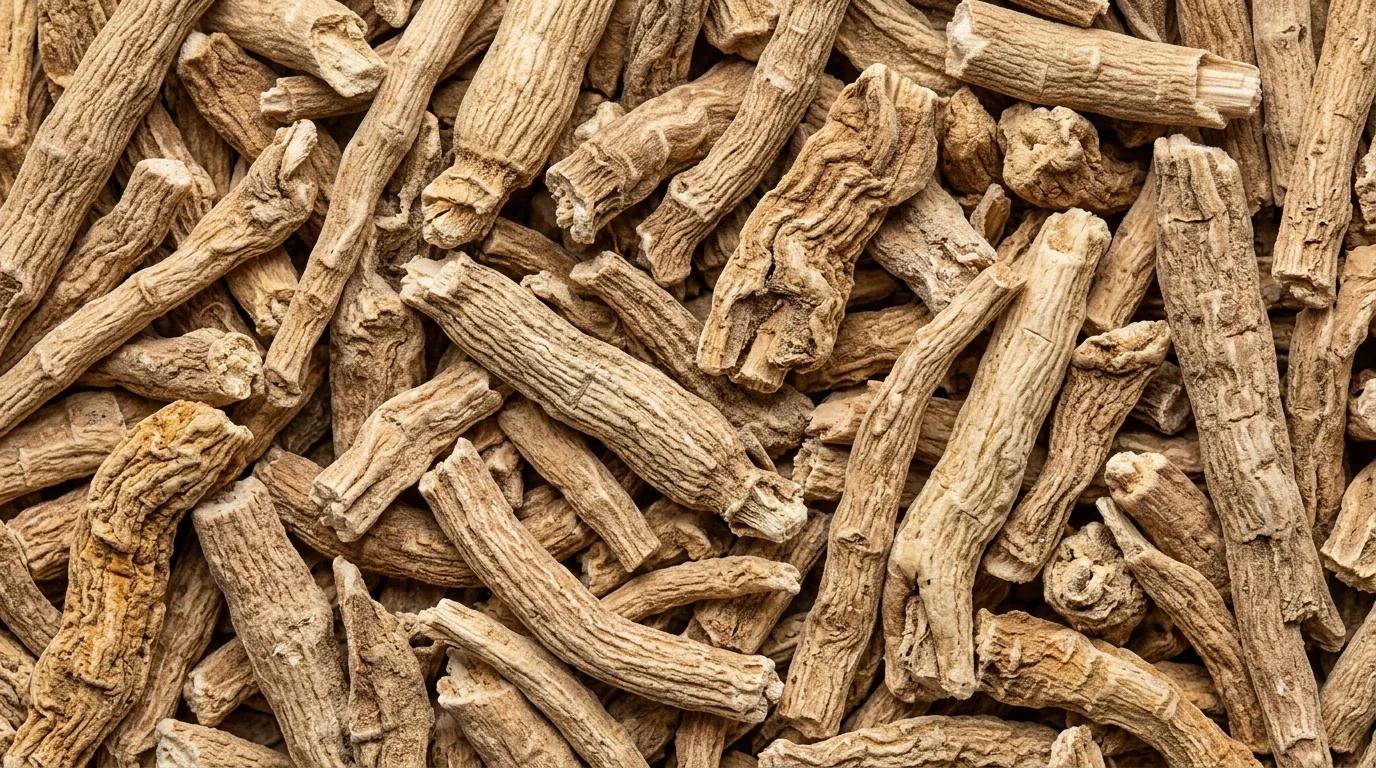

Supports the body's response to stress and a sense of calm.
Ashwagandha is a root central to Ayurvedic practice and classed as an adaptogen. We use an extract of the root only, the part of the plant most of the clinical research has studied.
Supports memory and cognitive function.
Bacopa is a creeping wetland herb that has long been used in Ayurvedic practice. Its active compounds are called bacosides.
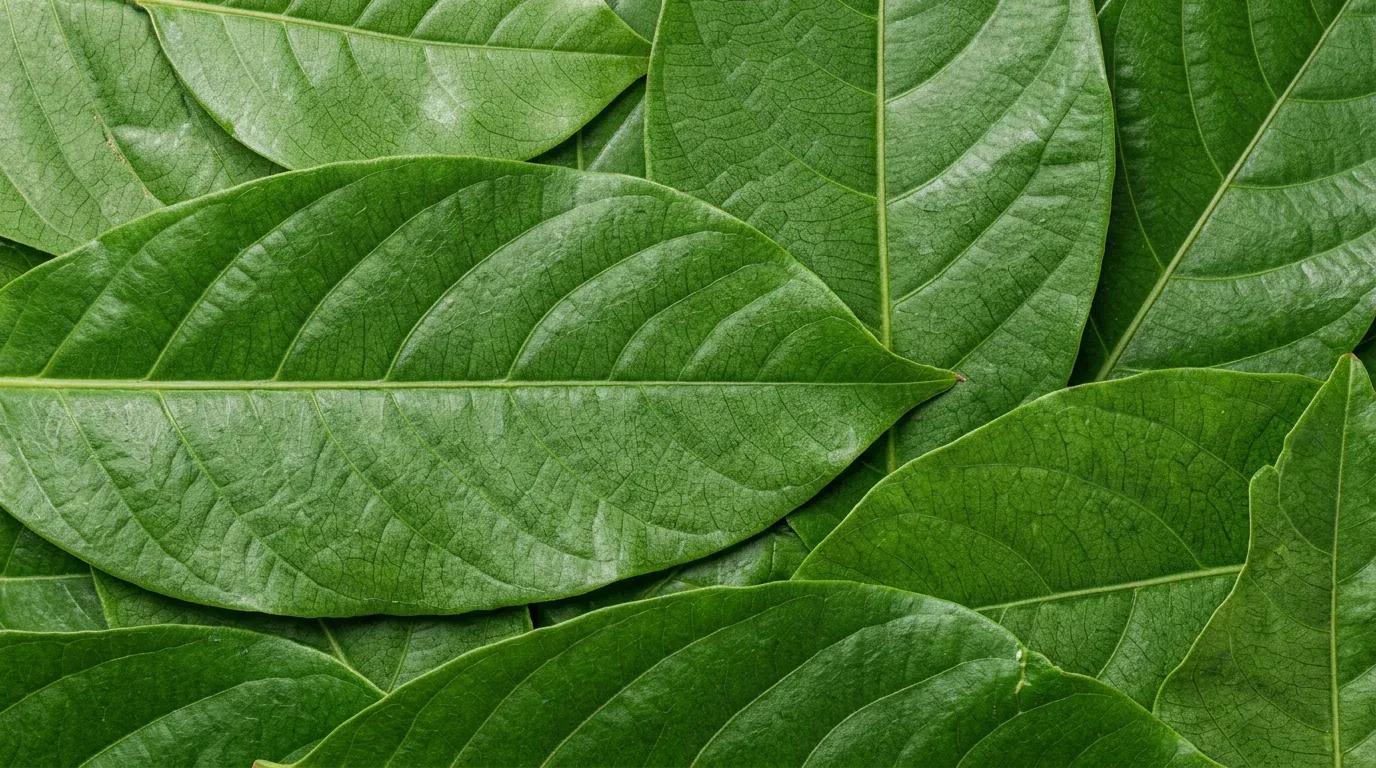
Supports healthy glucose metabolism already within the normal range.
Banaba is a flowering tree native to Southeast Asia, where its leaves are traditionally made into tea. Its main active compound is corosolic acid.

Supports healthy blood flow and exercise performance.
Beetroot is naturally rich in nitrates, the same compounds found in leafy greens such as spinach and arugula.
Supports joint comfort and mobility.
Boswellia is a resin from the Indian frankincense tree. Its active compounds are called boswellic acids.

Supports relaxation and restful sleep.
Chamomile is a daisy-like flower that has been used as a calming tea for thousands of years. Its main active compound is called apigenin.

Supports healthy blood sugar metabolism already within the normal range.
We use Ceylon cinnamon, sometimes called "true" cinnamon. It contains far less coumarin than the more common cassia variety.
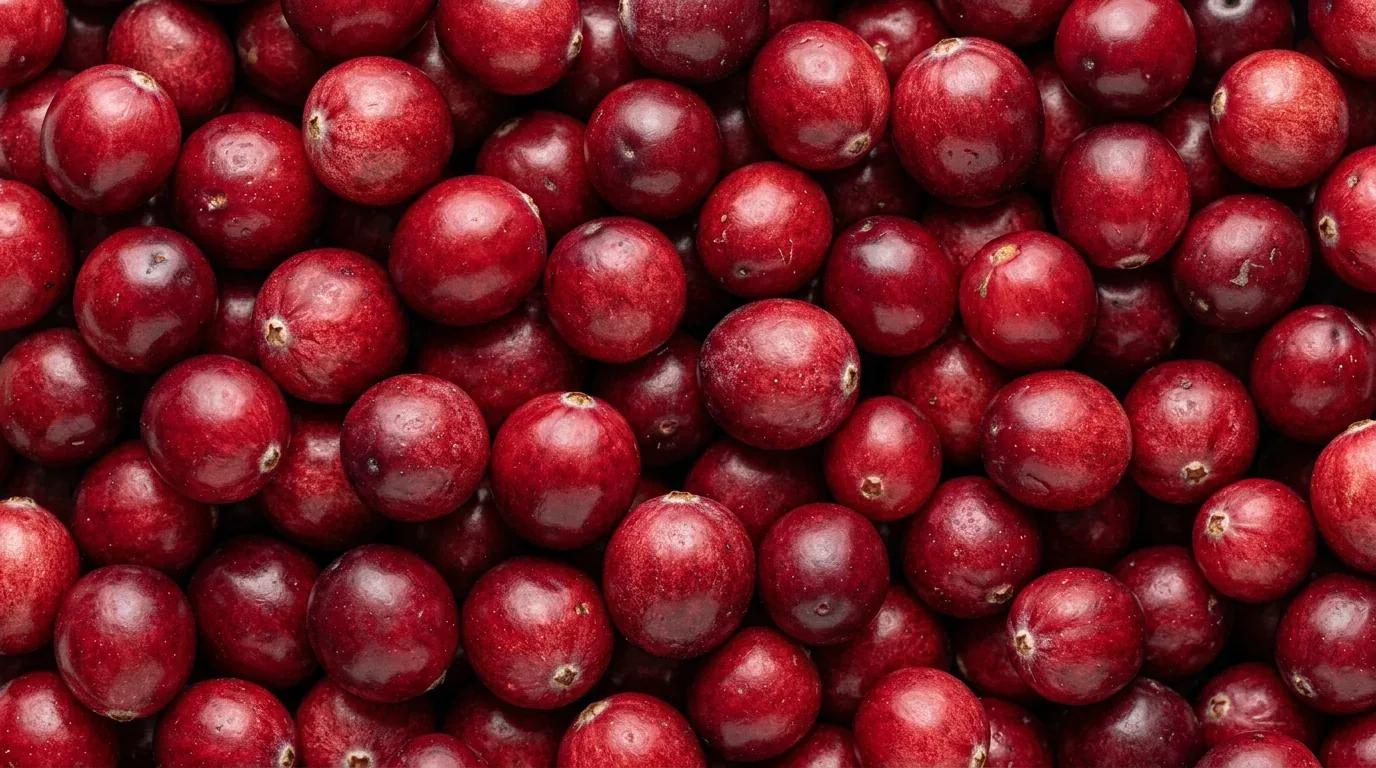
Supports urinary tract health.
Cranberries contain a particular type of proanthocyanidin, or PAC, that is less common in other fruits.
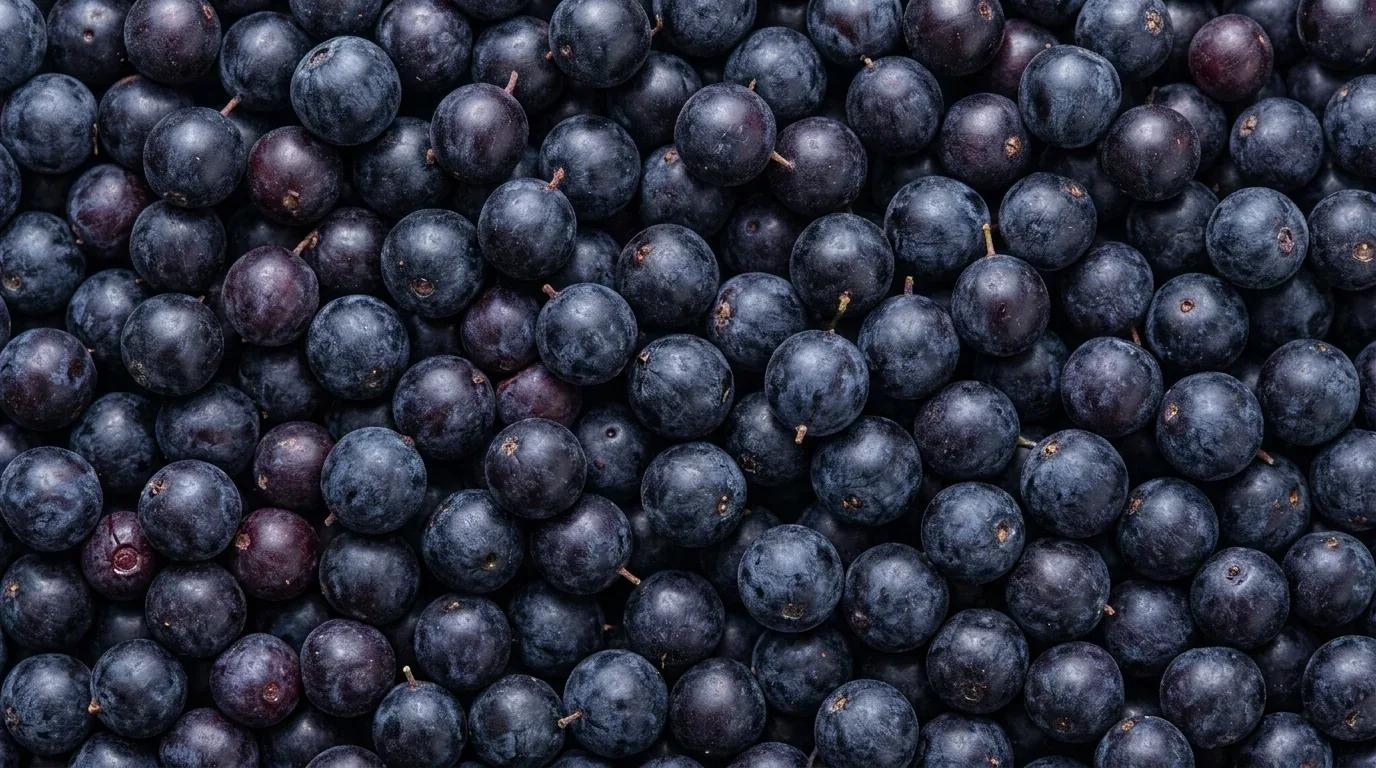
Supports normal immune function.
Elderberry is a dark purple berry from the elder tree, traditionally used in syrups during the colder months.
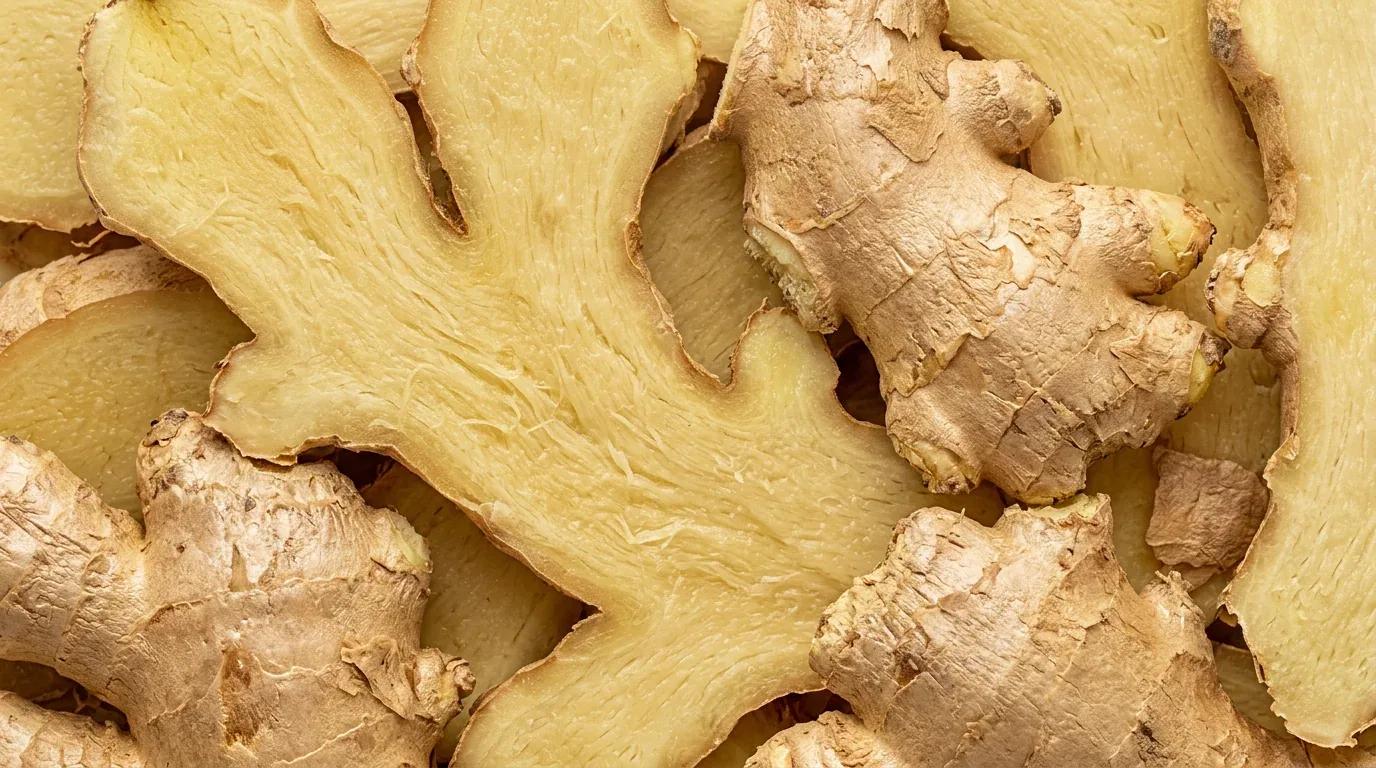
Supports joint comfort and digestive comfort.
Ginger is a root used as a spice and in traditional practice across Asia for thousands of years. Its active compounds are called gingerols.
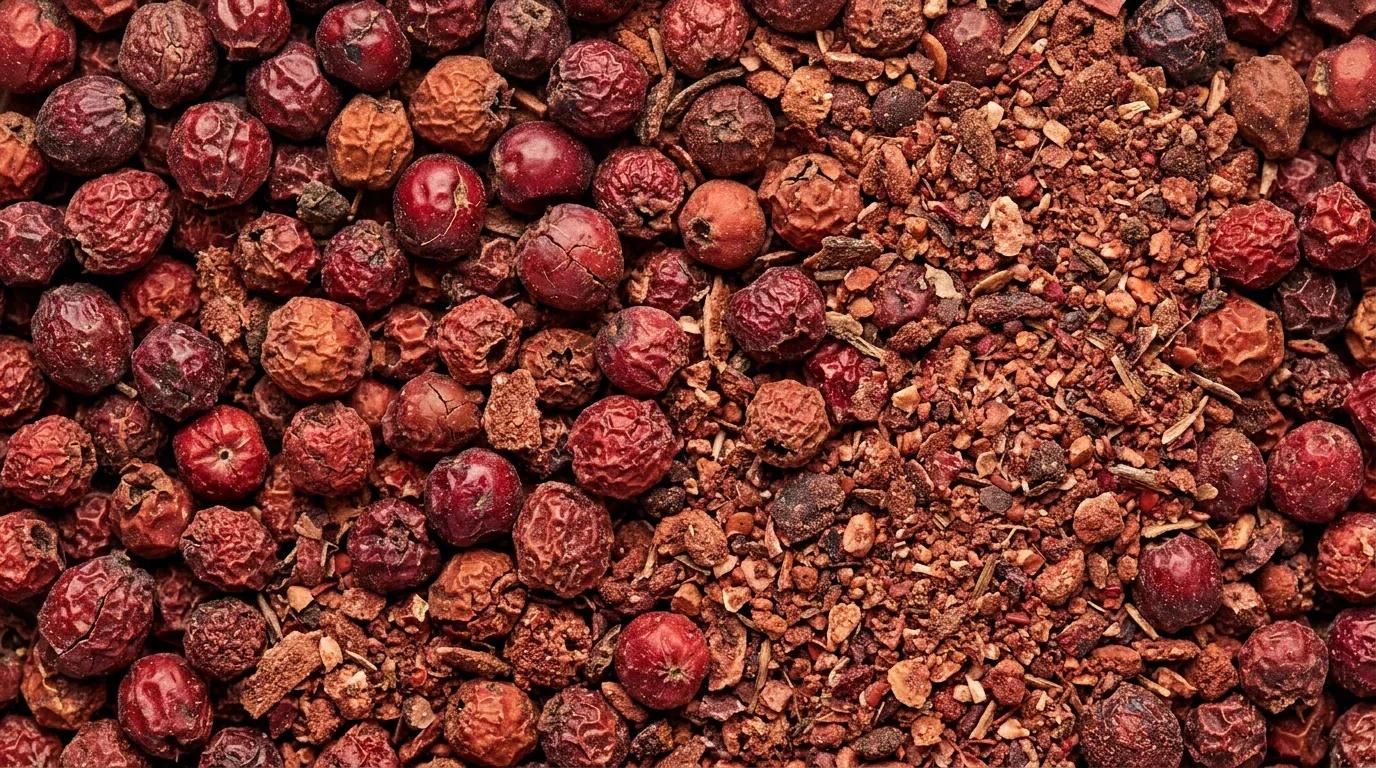
Supports cardiovascular health.
Hawthorn is a flowering shrub of the rose family. Its berries, leaves and flowers have a long history of use in European herbal tradition.
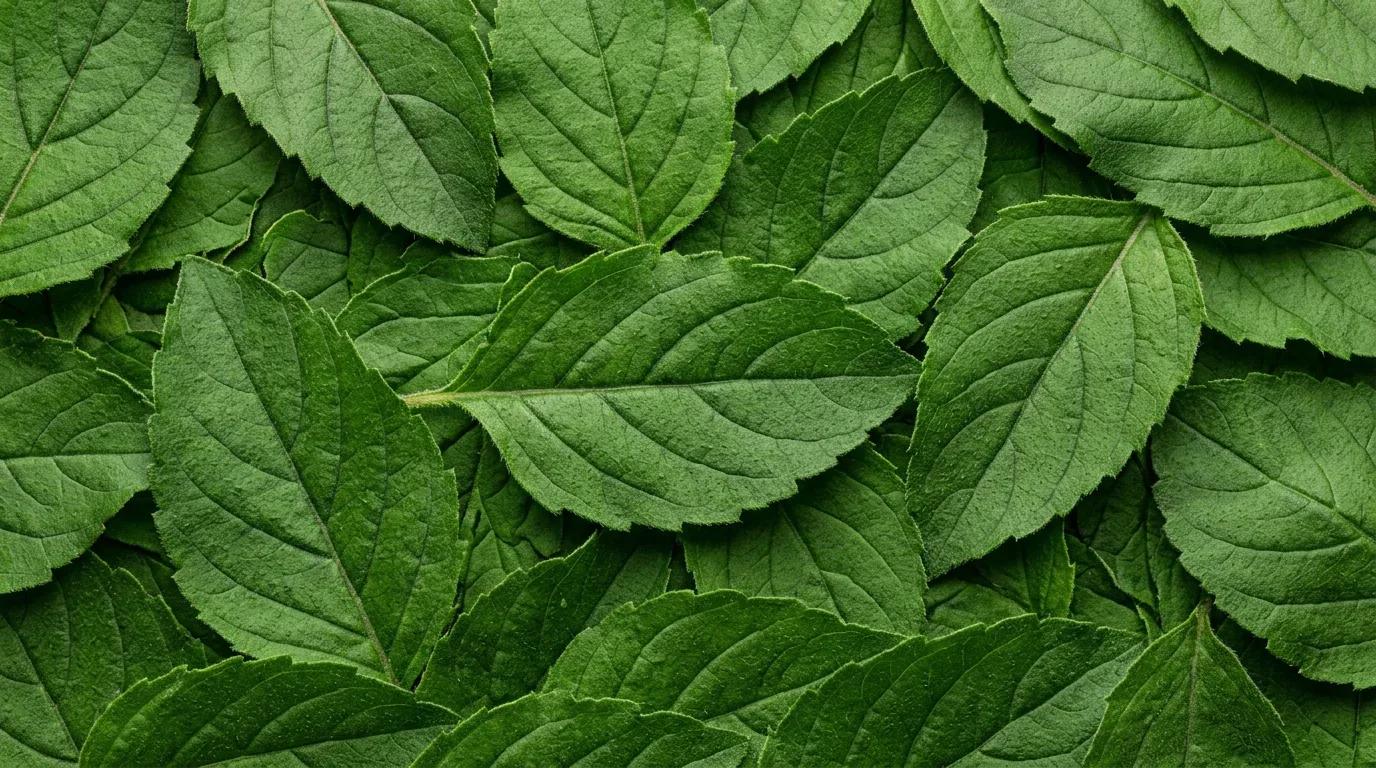
Supports the body's response to everyday stress.
Holy basil, or tulsi, is a close relative of culinary basil. It is one of the most respected herbs in Ayurvedic practice and is classed as an adaptogen.
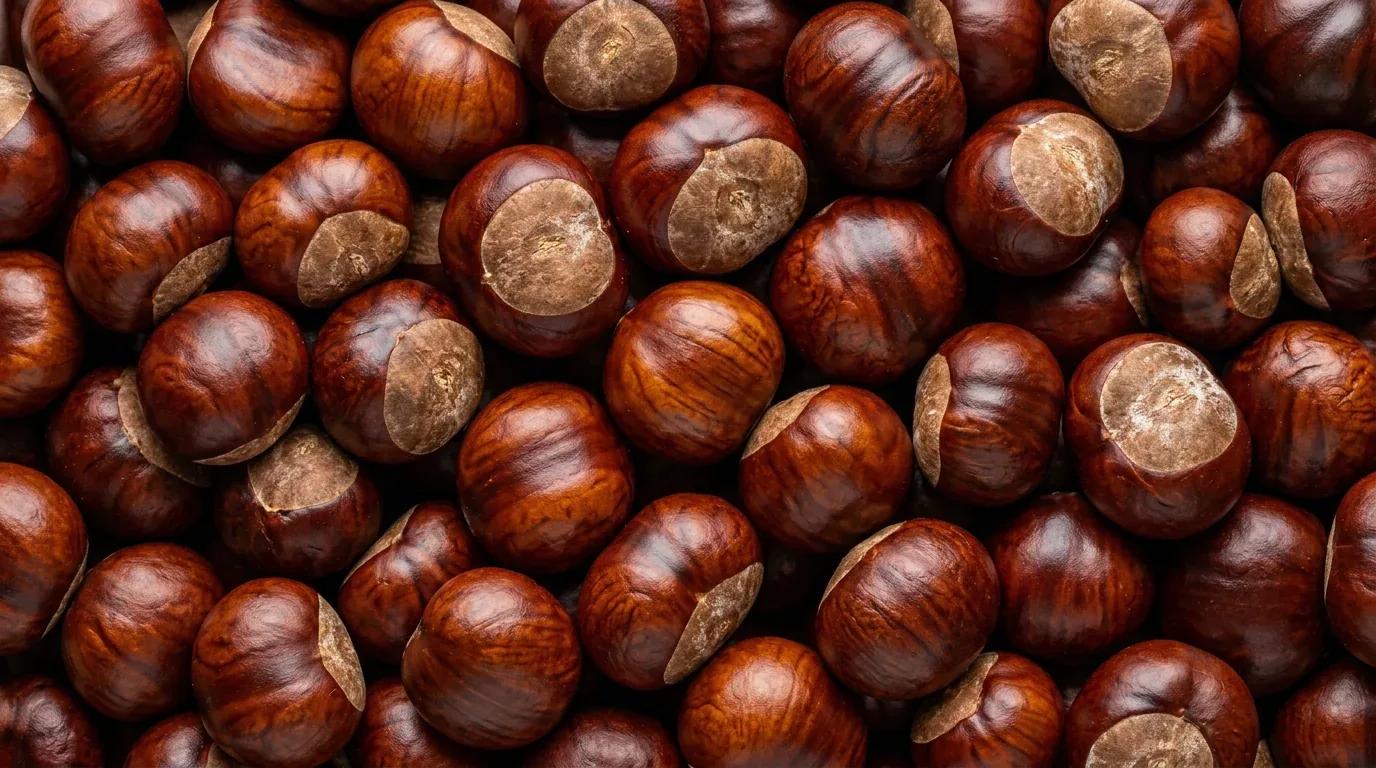
Supports leg comfort and healthy circulation.
Horse chestnut extract comes from the seeds of the horse chestnut tree. Its main active compound is aescin.
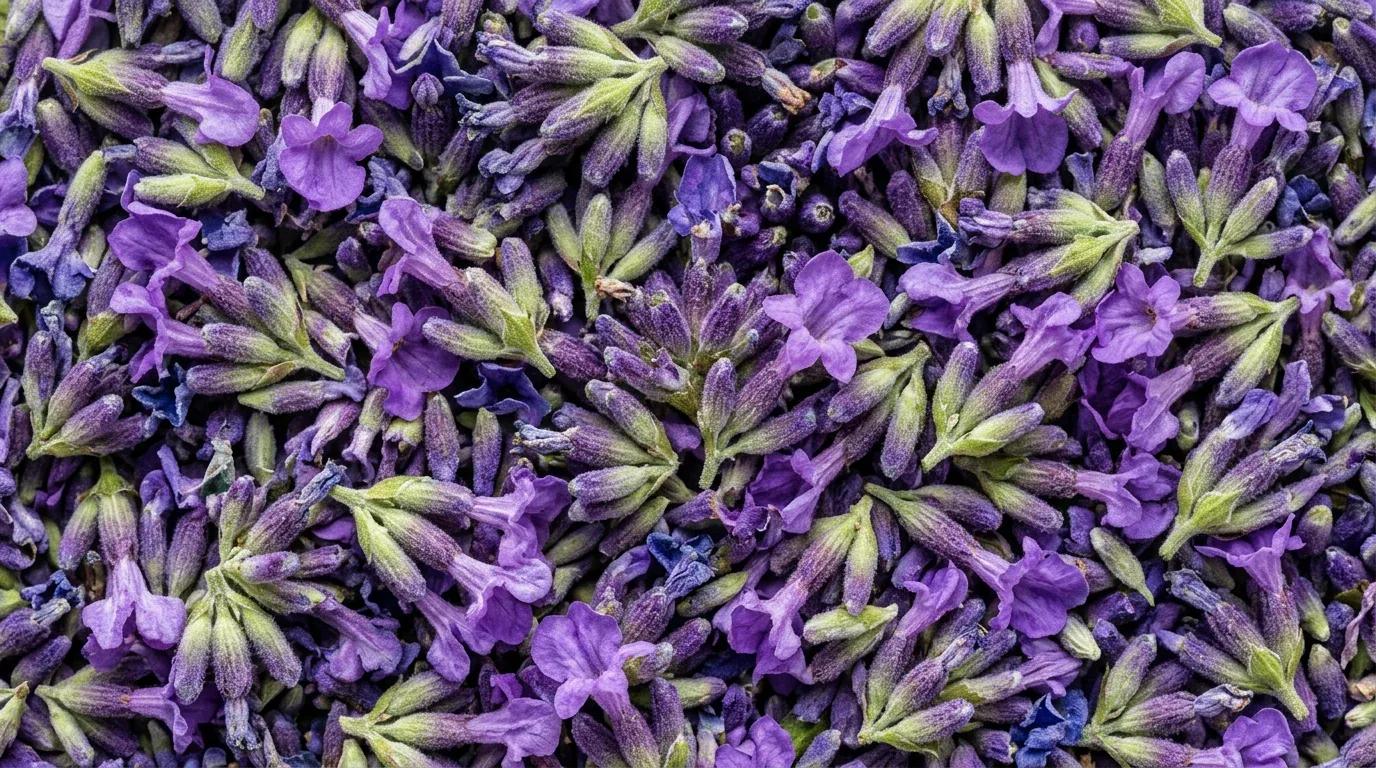
Supports calm and restful sleep.
Lavender is a Mediterranean herb best known for its fragrance. Its calming properties come mainly from linalool and linalyl acetate.
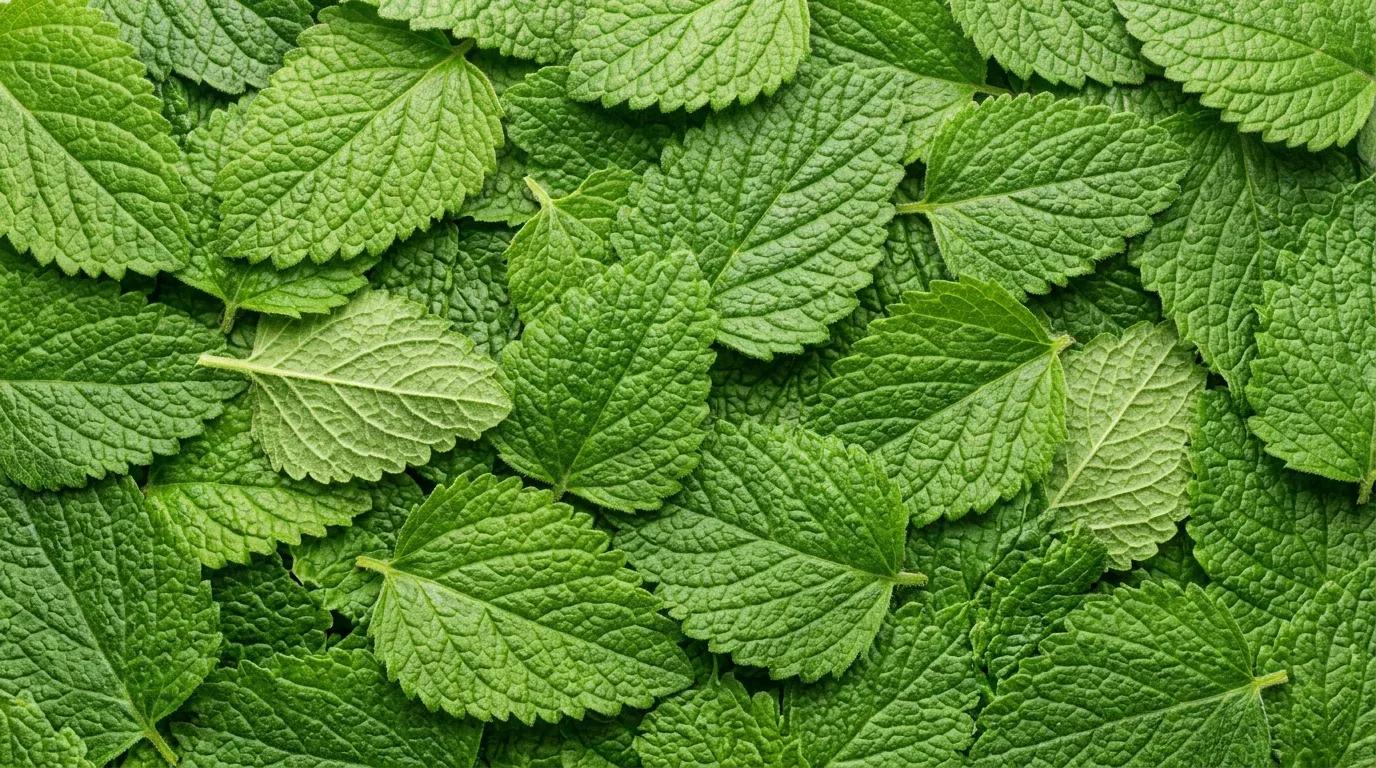
Supports calm and relaxation.
Lemon balm is a lemon-scented member of the mint family, used as a calming herb since the Middle Ages.
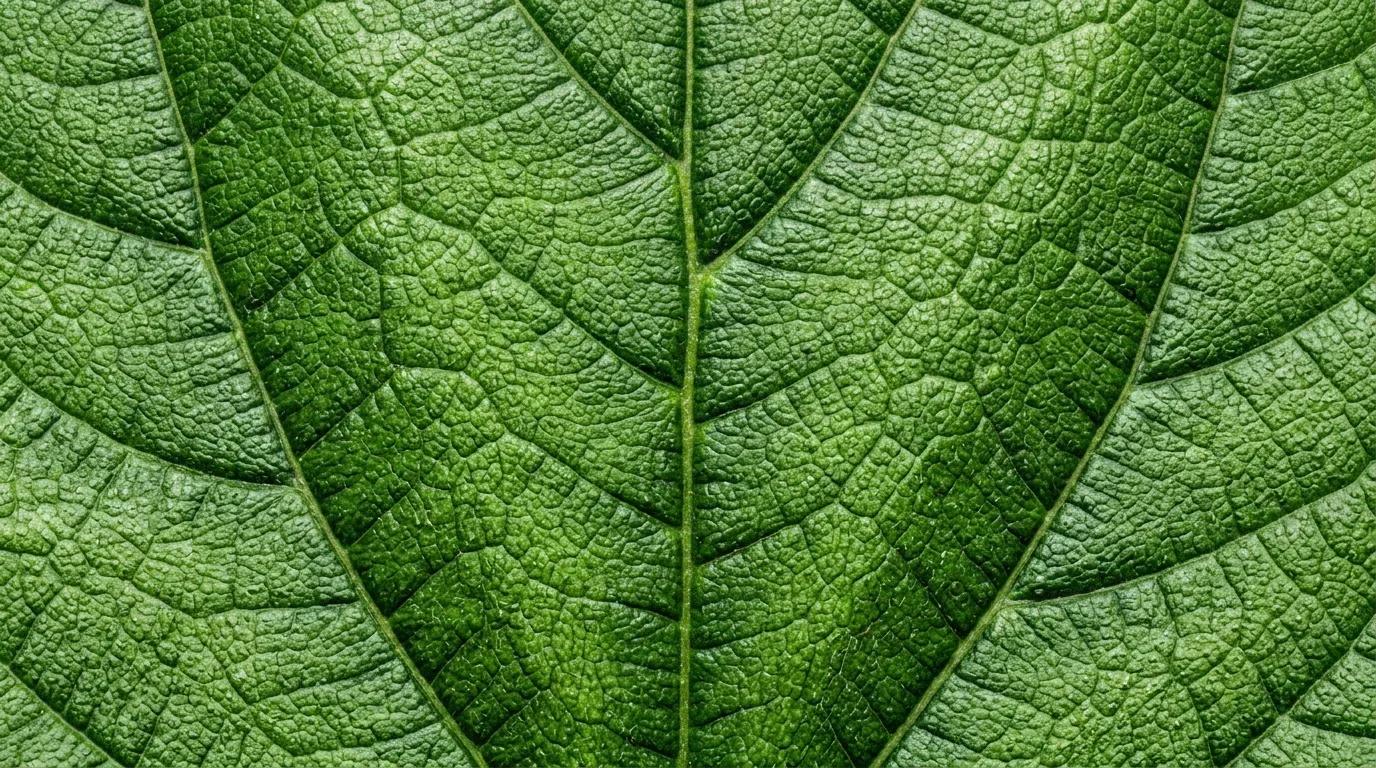
Supports healthy blood sugar levels after meals, already within the normal range.
White mulberry leaves have been used as a tea in China, Japan and Korea for centuries. They contain a compound called DNJ (1-deoxynojirimycin).
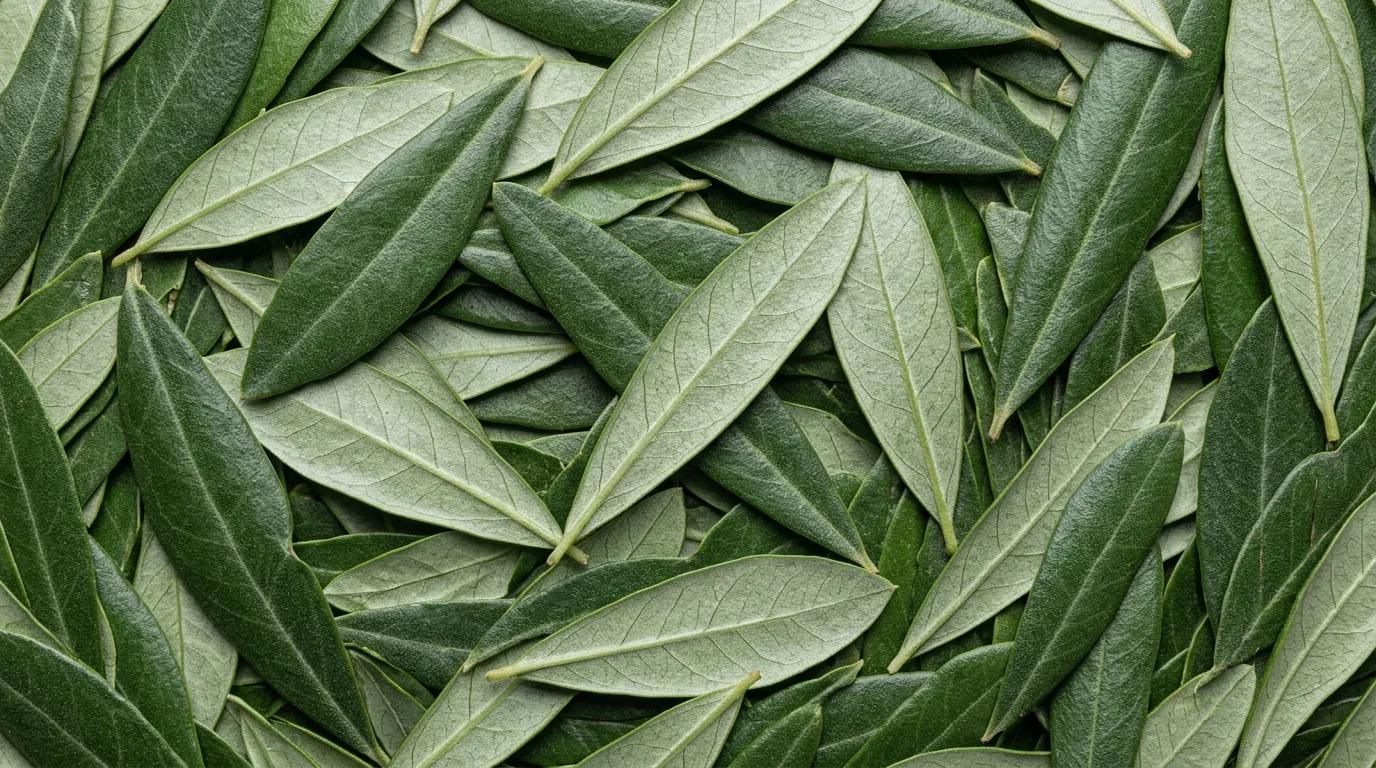
Supports immune function and cardiovascular health.
Olive leaf extract comes from the leaves of the olive tree. Its main active compound is oleuropein.
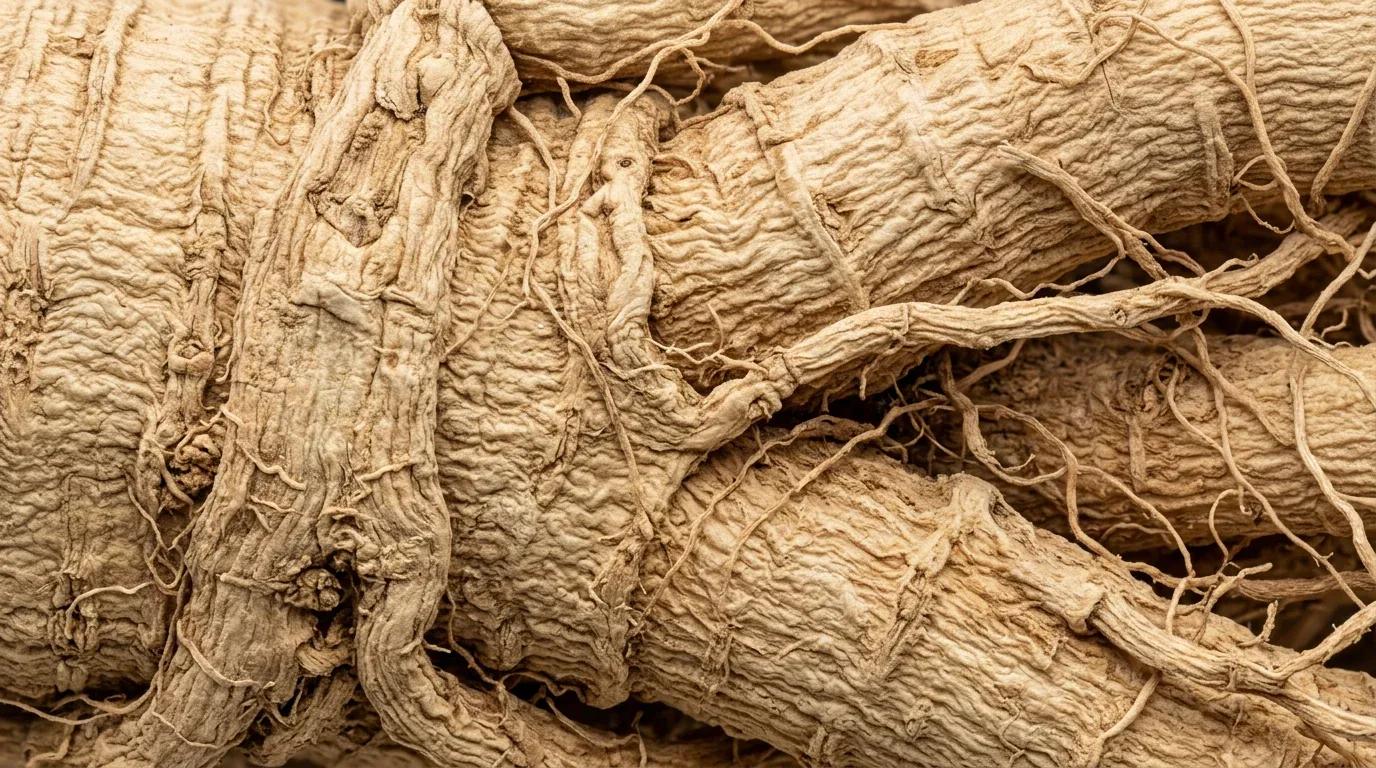
Supports energy, vitality and mental performance.
Panax ginseng, or Korean ginseng, is a root used in East Asian traditional medicine for centuries. Its active compounds are called ginsenosides.
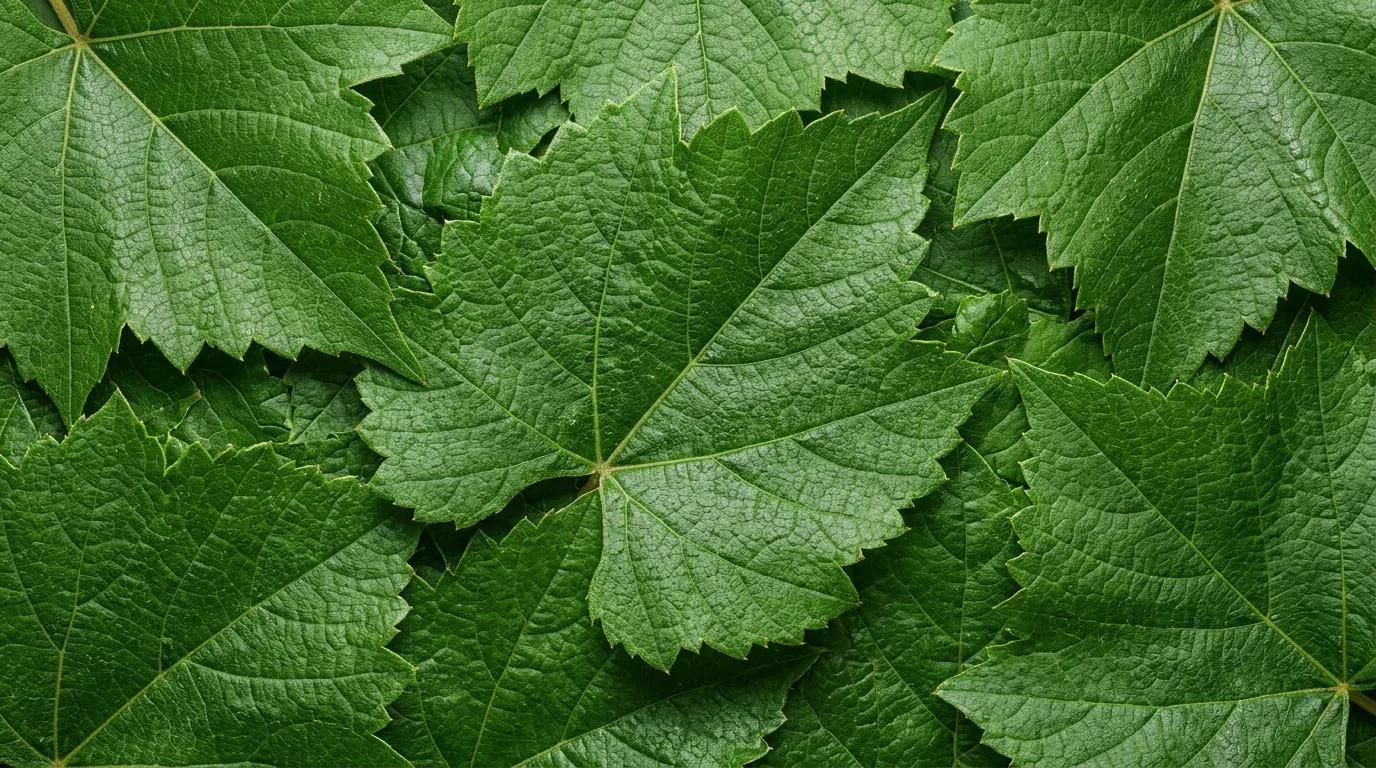
Supports leg comfort and healthy circulation.
Red vine leaf extract comes from the leaves of red grapevines, which are rich in flavonoids.
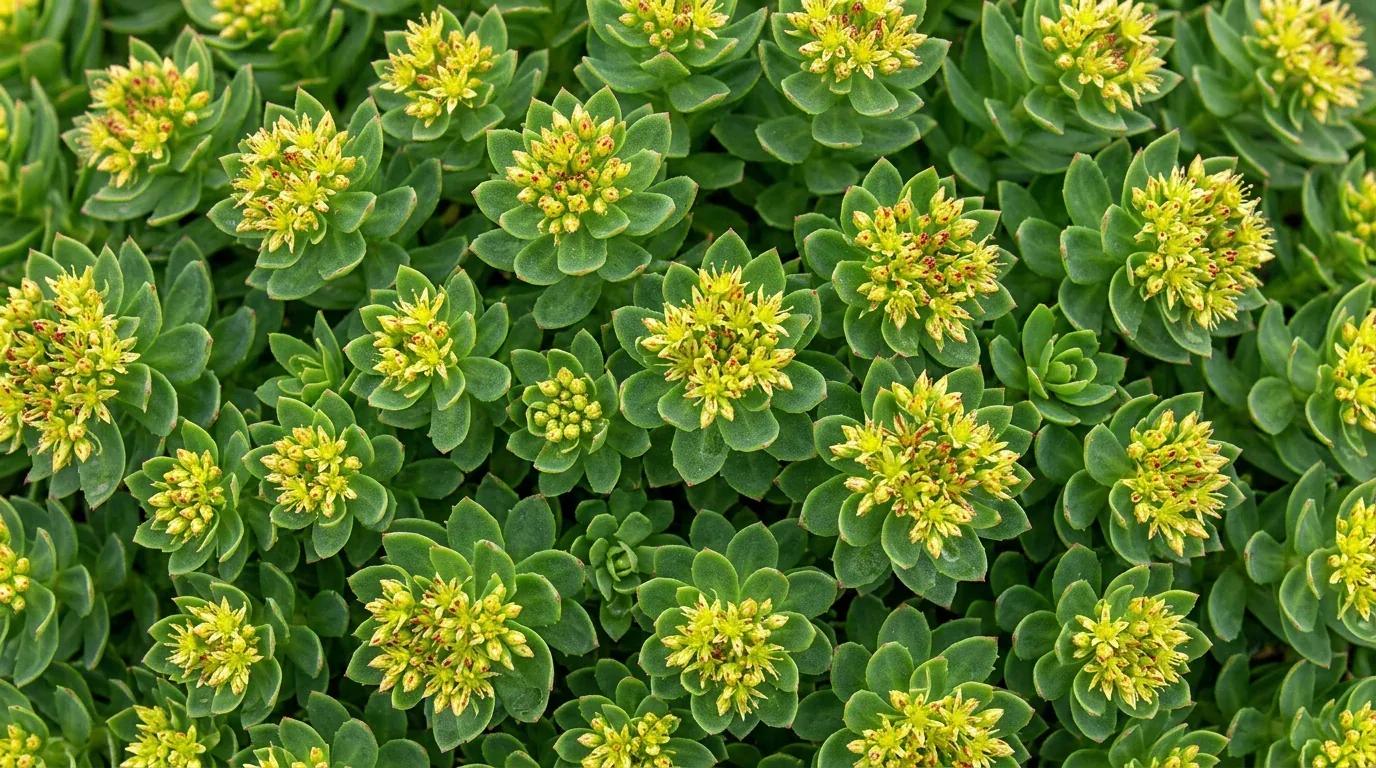
Supports mental energy and the body's response to stress.
Rhodiola is a hardy plant that grows in cold, mountainous regions of Europe and Asia. Its active compounds include rosavins and salidroside.
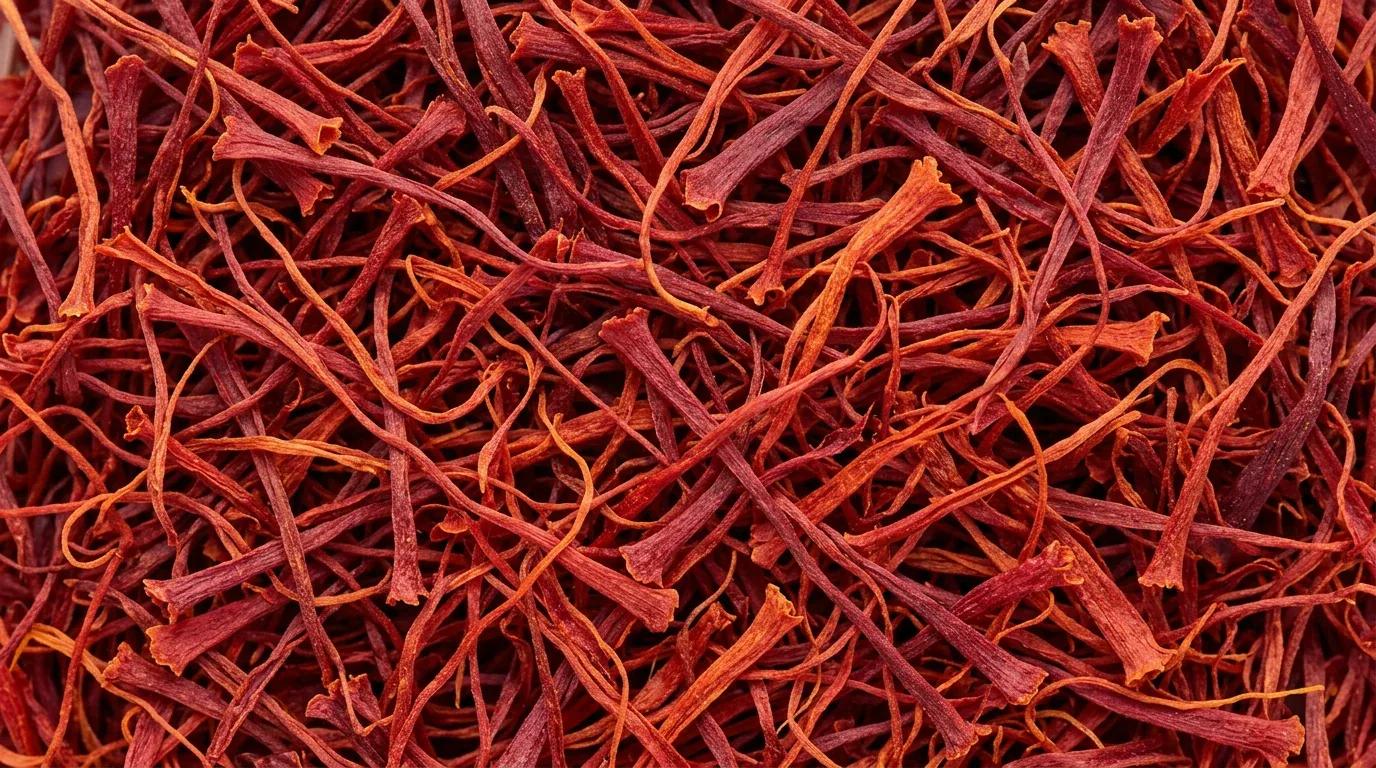
Supports mood and emotional wellbeing.
Saffron is the dried stigma of the crocus flower and one of the most expensive spices in the world. Its main active compounds are crocin and safranal.
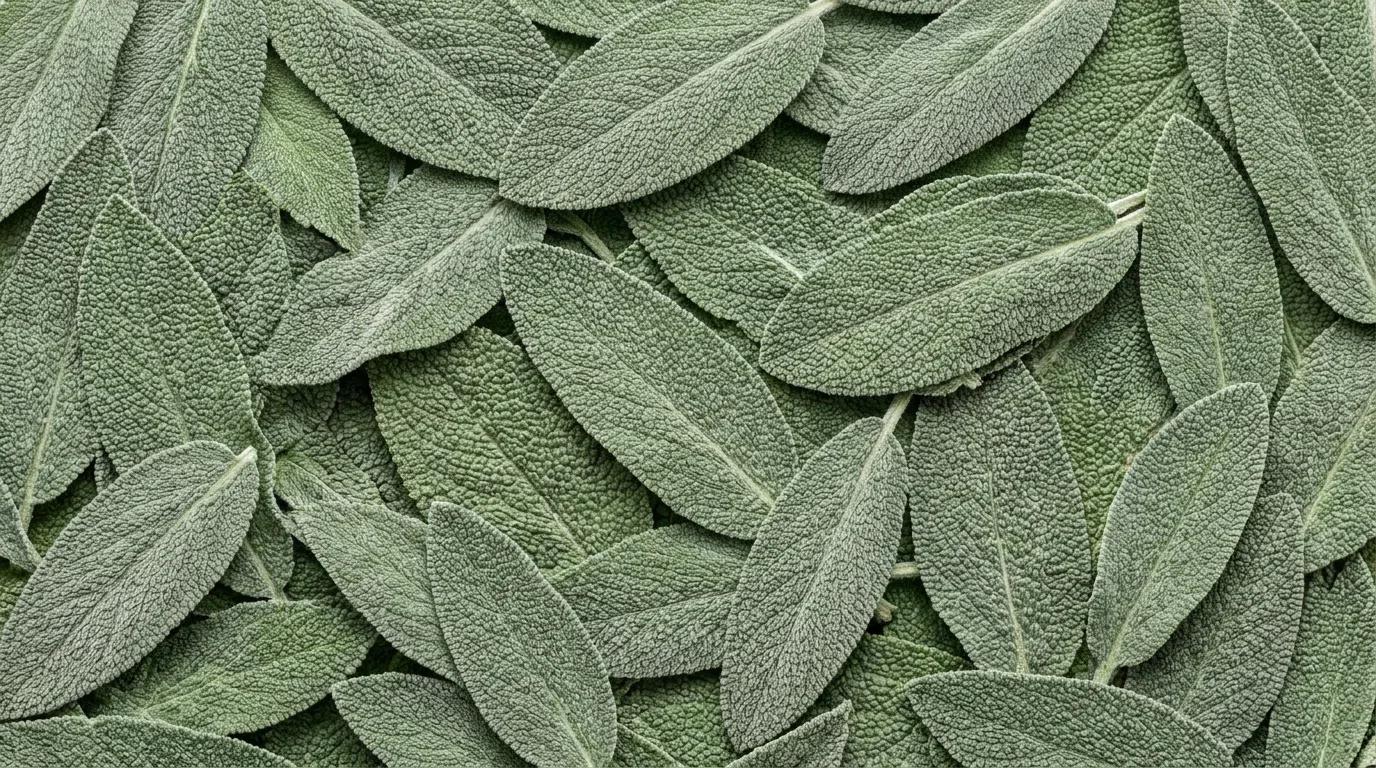
Supports cognitive function and memory.
Sage is a common culinary herb from the Mediterranean. Its name comes from the Latin salvere, "to be well".
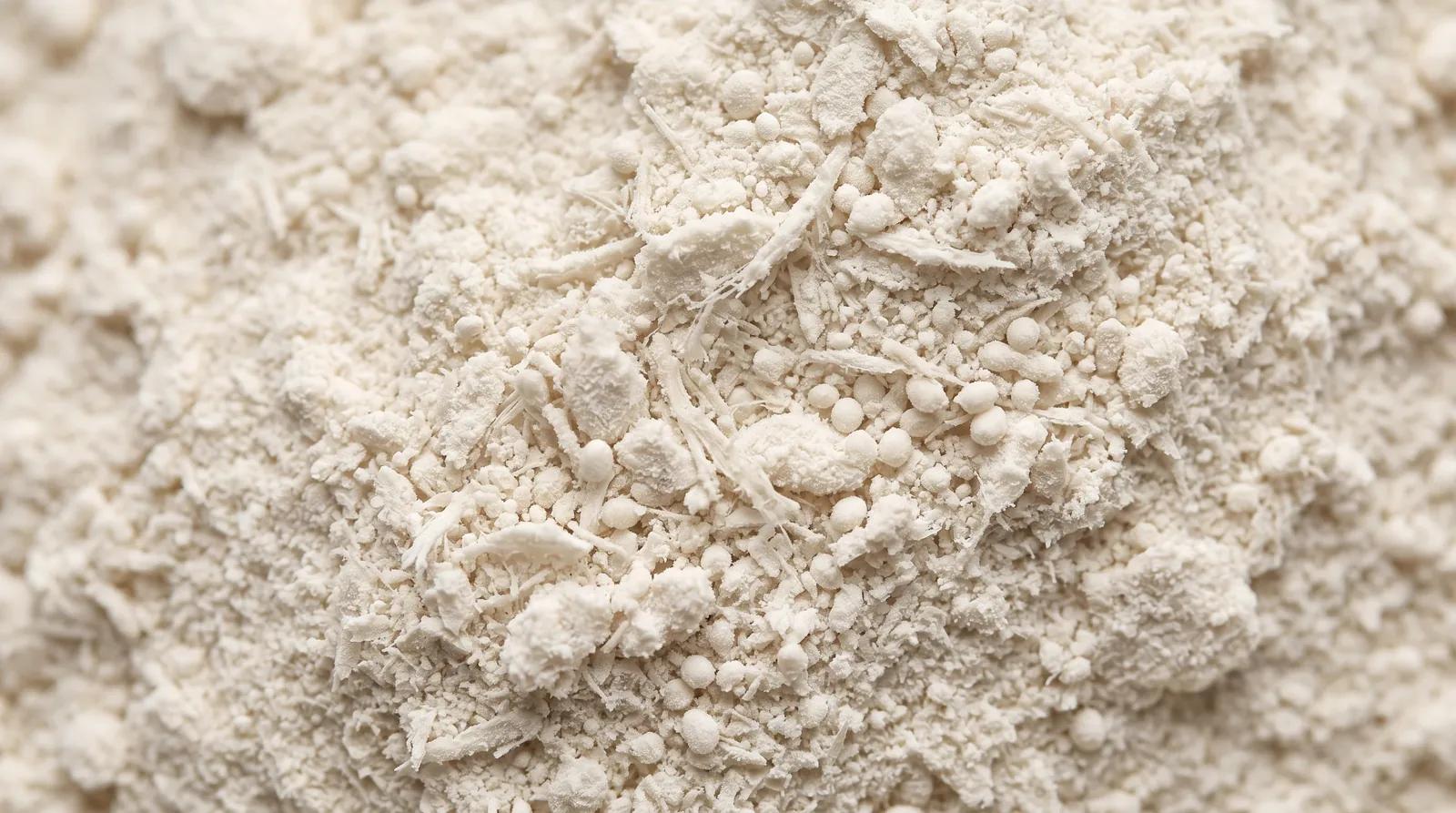

Supports digestive comfort and a healthy gut.
Bacillus coagulans is a probiotic that forms protective spores. The spores help it survive stomach acid and stay stable in powder.
Supports digestive comfort and immune function.
BB-12 is one of the most studied probiotic strains in the world. The strain name matters, because the research is specific to it.
Supports digestive comfort and immune function.
LGG is one of the most researched probiotic strains, first isolated in the 1980s. As with BB-12, the research is specific to the strain.
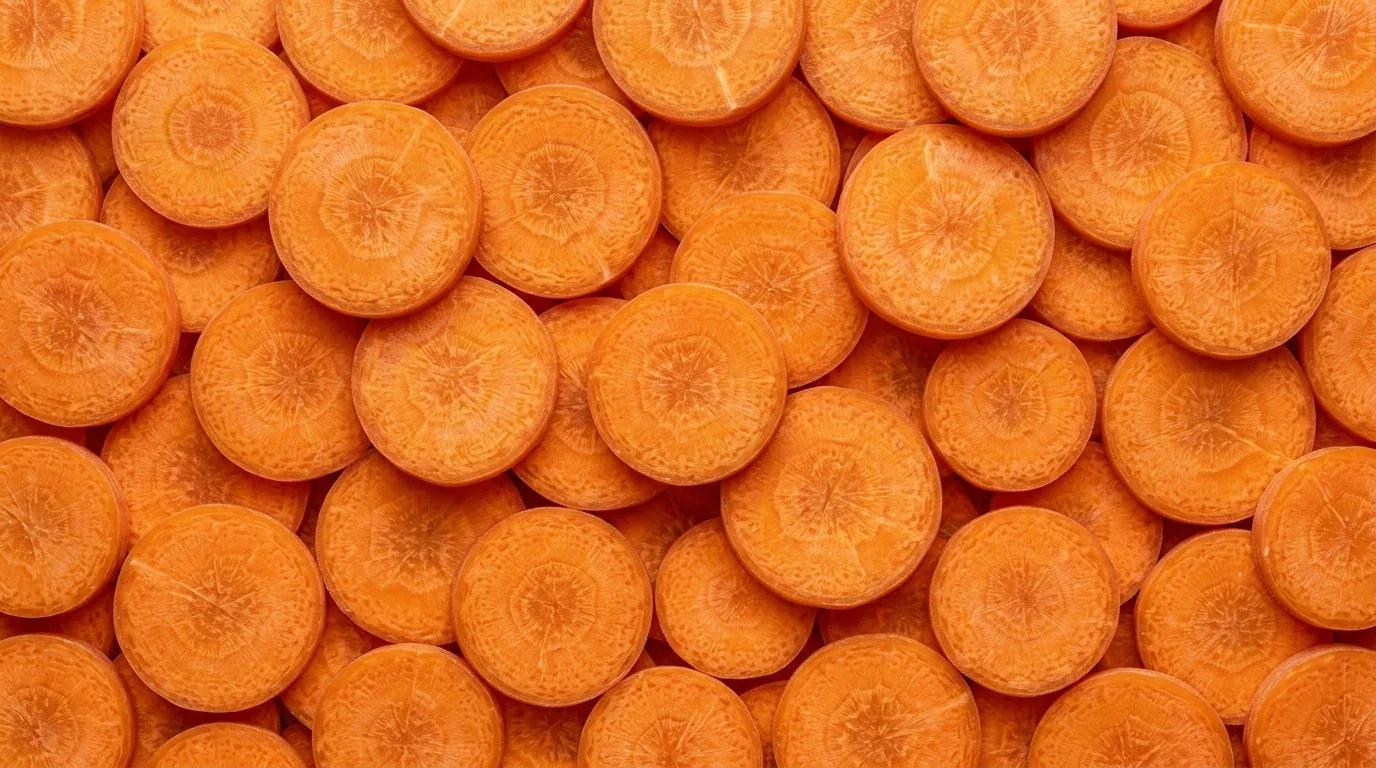

Supports normal vision and immune function, and adds antioxidant protection.
Beta-carotene is the orange pigment in carrots, sweet potatoes and dark leafy greens. The body converts it into vitamin A, and it works as an antioxidant in its own right.
Supports healthy vision and antioxidant defense in the eye.
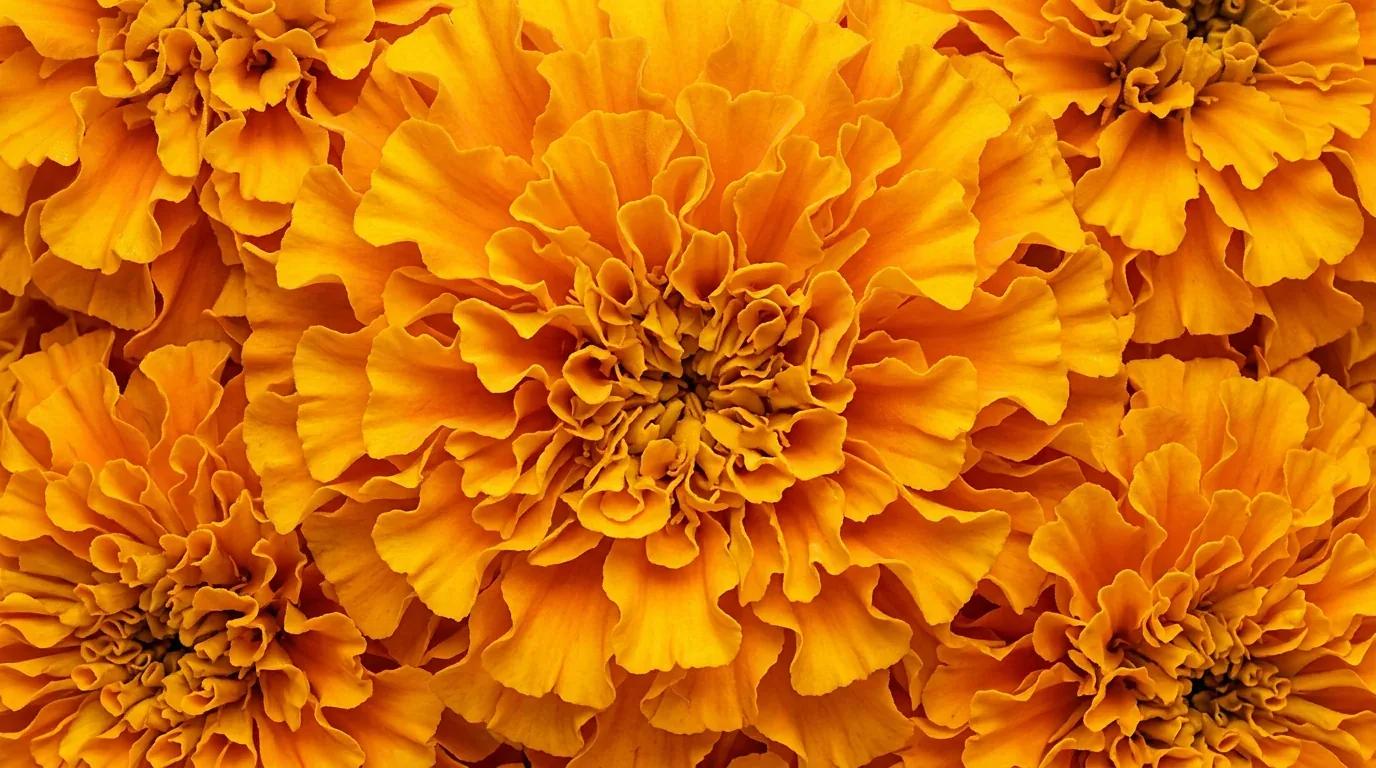
Lutein is a yellow plant pigment found in leafy greens, egg yolks and marigold flowers. The eye concentrates it in the macula, the central part of the retina.
Supports healthy vision and antioxidant defense in the eye.
Zeaxanthin is a close relative of lutein and the other pigment the eye concentrates in the macula. It sits at the very center of the macula, where vision is sharpest.

Supports normal homocysteine metabolism.
Betaine was first found in sugar beets. It is also present in spinach and whole grains.
Supports muscle strength, power and exercise performance.
Creatine is made in the body from amino acids and also comes from meat and fish. It is stored mainly in muscle, where it helps recycle the energy muscles use for short, intense effort.
Supports sleep quality and collagen formation.
Glycine is the simplest amino acid and has a naturally sweet taste. It makes up about a third of the amino acids in collagen.
Supports energy metabolism and cognitive function.
Carnitine is made in the body and found mainly in red meat. The acetyl form crosses into the brain more readily than plain L-carnitine.
Supports healthy blood flow and exercise performance.
L-citrulline is an amino acid named after watermelon (Citrullus), where it was first found.
Supports calm, focused attention without drowsiness.
L-theanine is an amino acid found almost exclusively in tea leaves. It is part of why tea tends to feel calmer than coffee.
Supports mental performance and focus under stress.
L-tyrosine is an amino acid found in protein-rich foods such as cheese, chicken, fish and soybeans.
Supports heart health and exercise performance.
Taurine is an amino acid found in high concentrations in the heart, muscles, brain and eyes. It comes mainly from meat and fish.
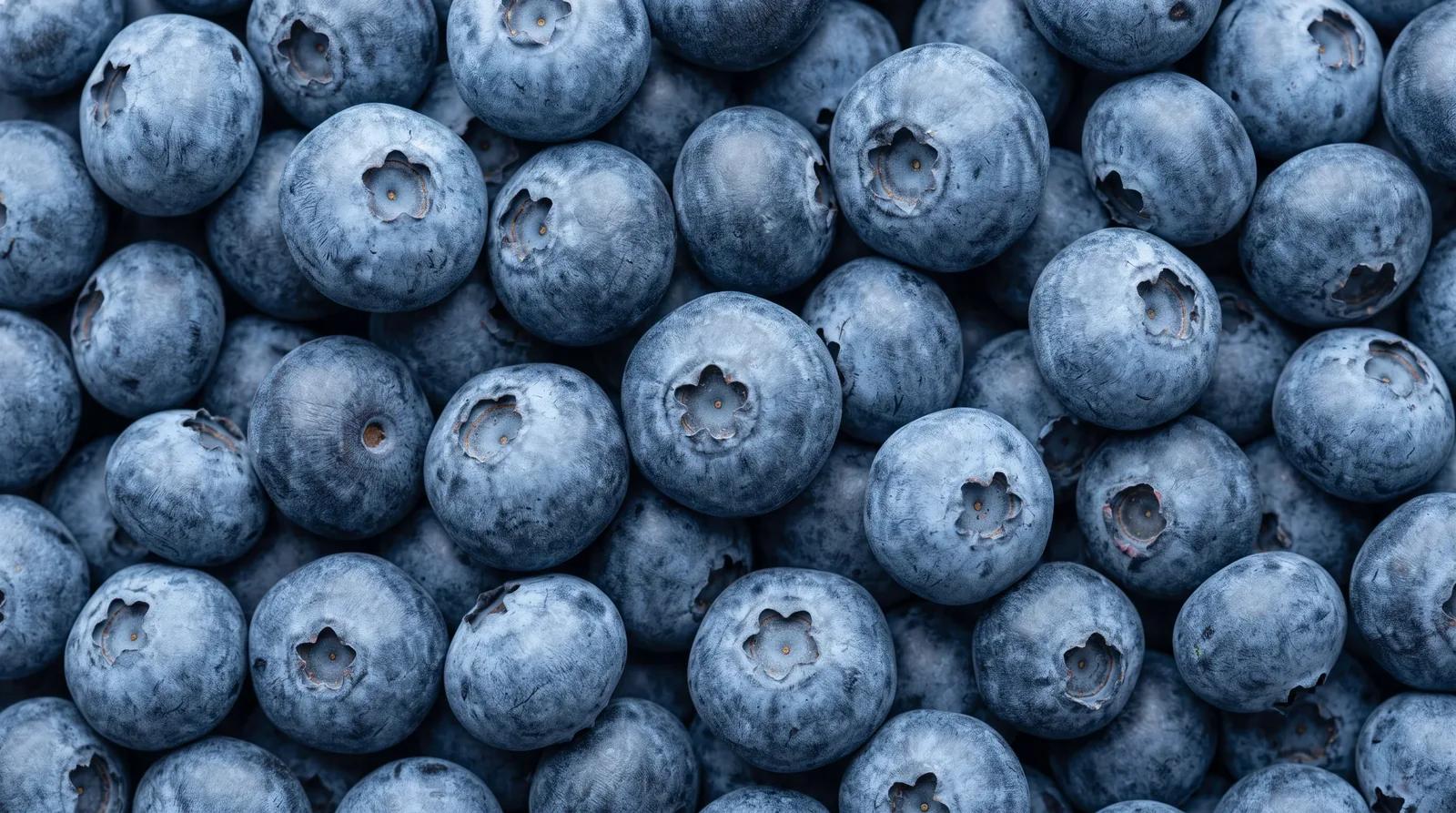

Supports antioxidant defense, healthy circulation and cognitive function.
Anthocyanins are the pigments that give blueberries their deep blue color.
Supports healthy circulation and cognitive function.
Cocoa flavanols are plant compounds from the cacao bean. Most are lost during chocolate processing, so a standardized extract provides far more than chocolate does.
Supports joint comfort and a healthy inflammatory response.
Curcumin is the main active compound in turmeric. On its own it is poorly absorbed, so we use a phytosome form, bound to phospholipids, which is absorbed much better.
Supports healthy circulation and leg comfort.
Diosmin is a flavonoid from citrus fruit. It is usually paired with hesperidin.
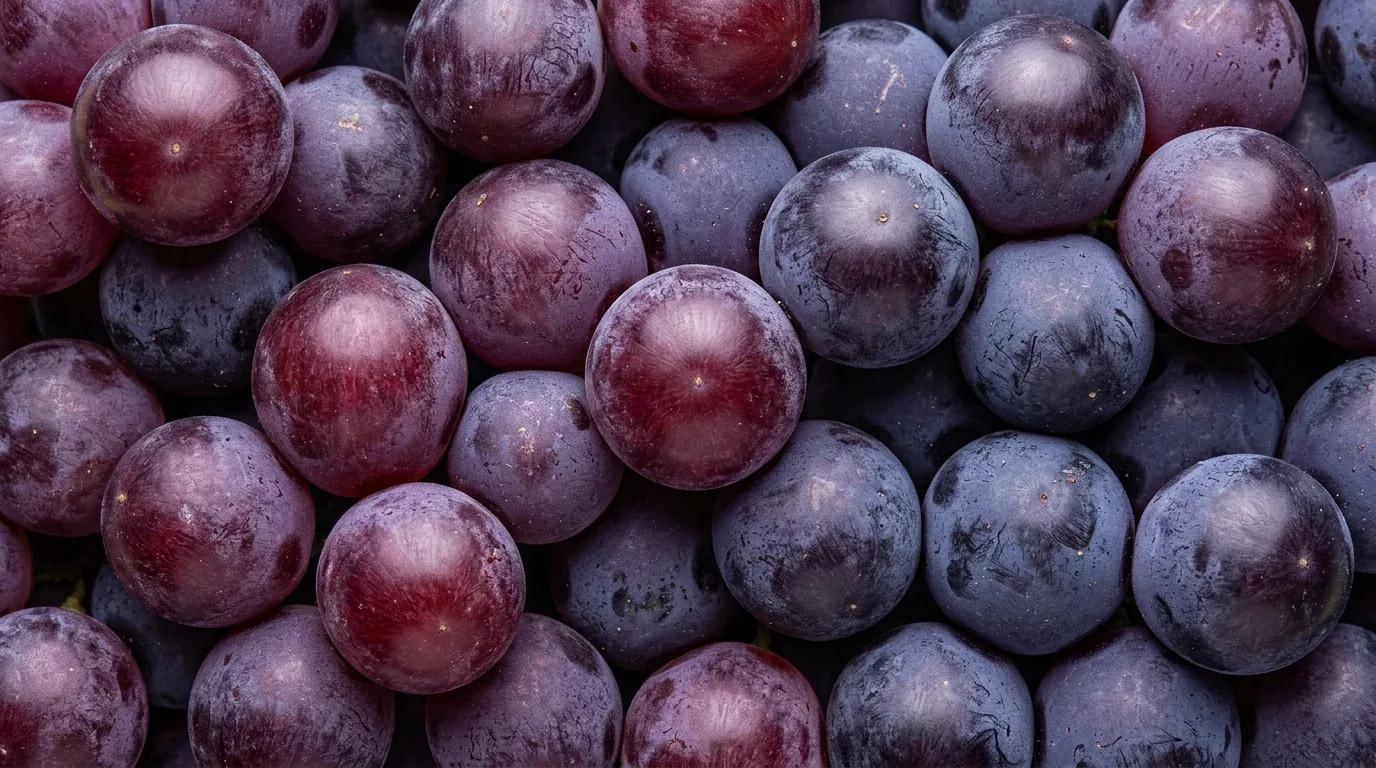
Supports antioxidant defense and healthy blood vessels.
Grape seed extract is rich in oligomeric proanthocyanidins, or OPCs, a group of antioxidant compounds.
Supports healthy circulation and leg comfort.
Hesperidin is the main flavonoid in oranges and lemons, concentrated in the peel and white pith.

Supports the maintenance of healthy bones and teeth and normal muscle function.
Calcium is the most abundant mineral in the body, and almost all of it is stored in the bones and teeth. Calcium citrate is well absorbed and, unlike some other forms, doesn't need stomach acid to be absorbed well.
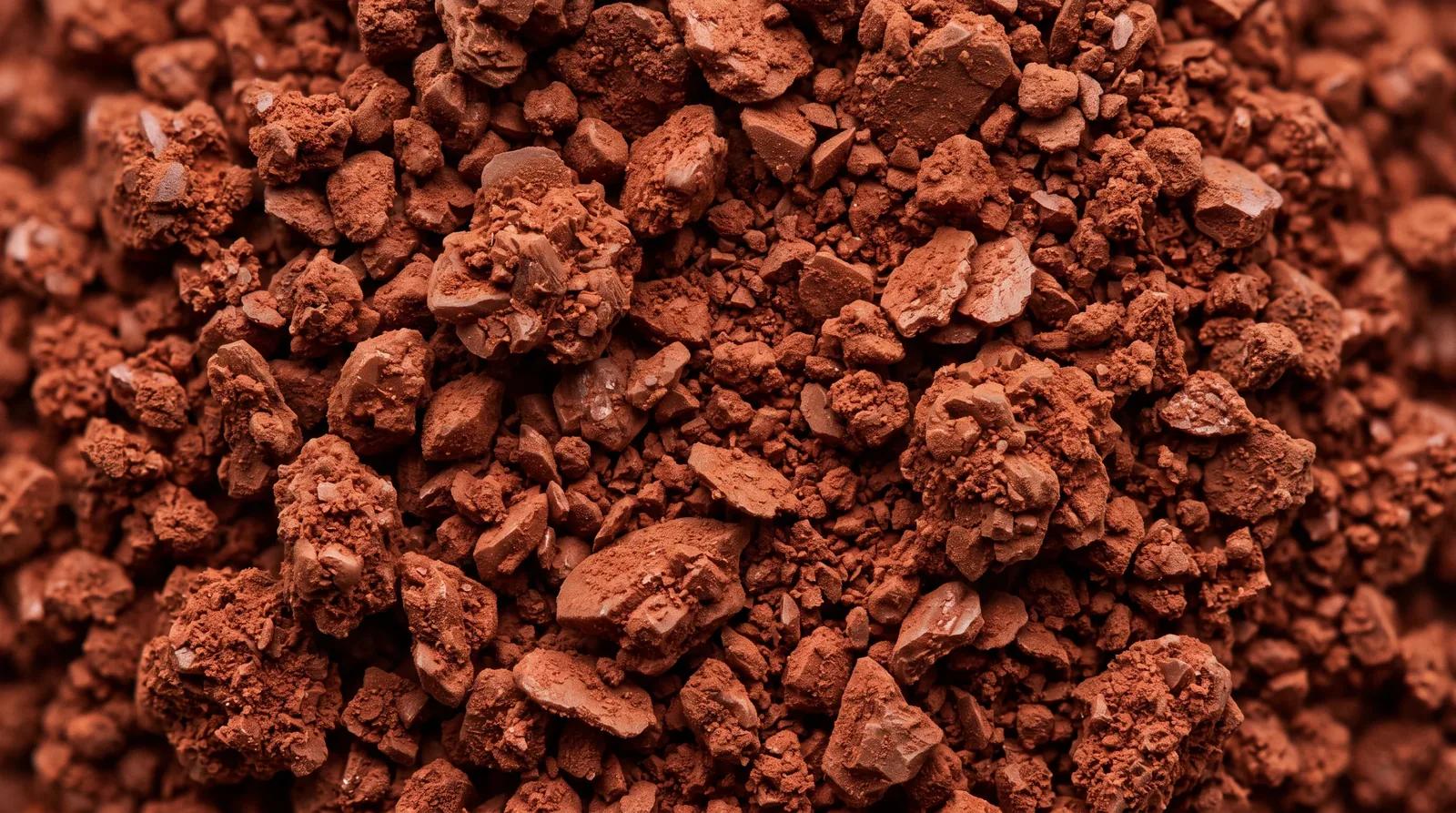
Supports macronutrient metabolism and healthy blood sugar levels already within the normal range.
Chromium is a trace mineral found in small amounts in whole grains, broccoli and meat.
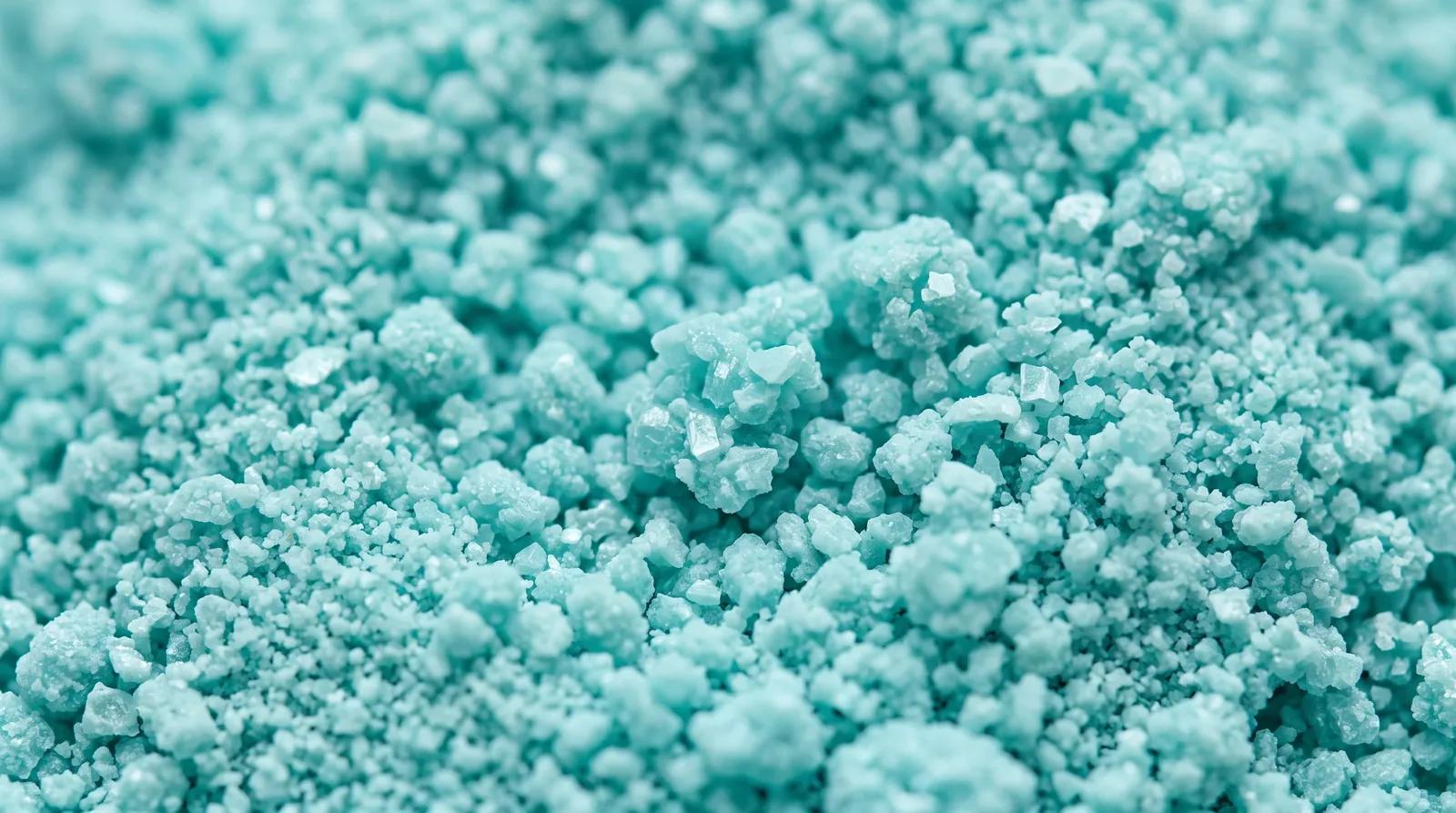
Supports energy metabolism and normal iron transport.
Copper is a trace mineral found in shellfish, nuts, seeds and whole grains. The body needs only small amounts.
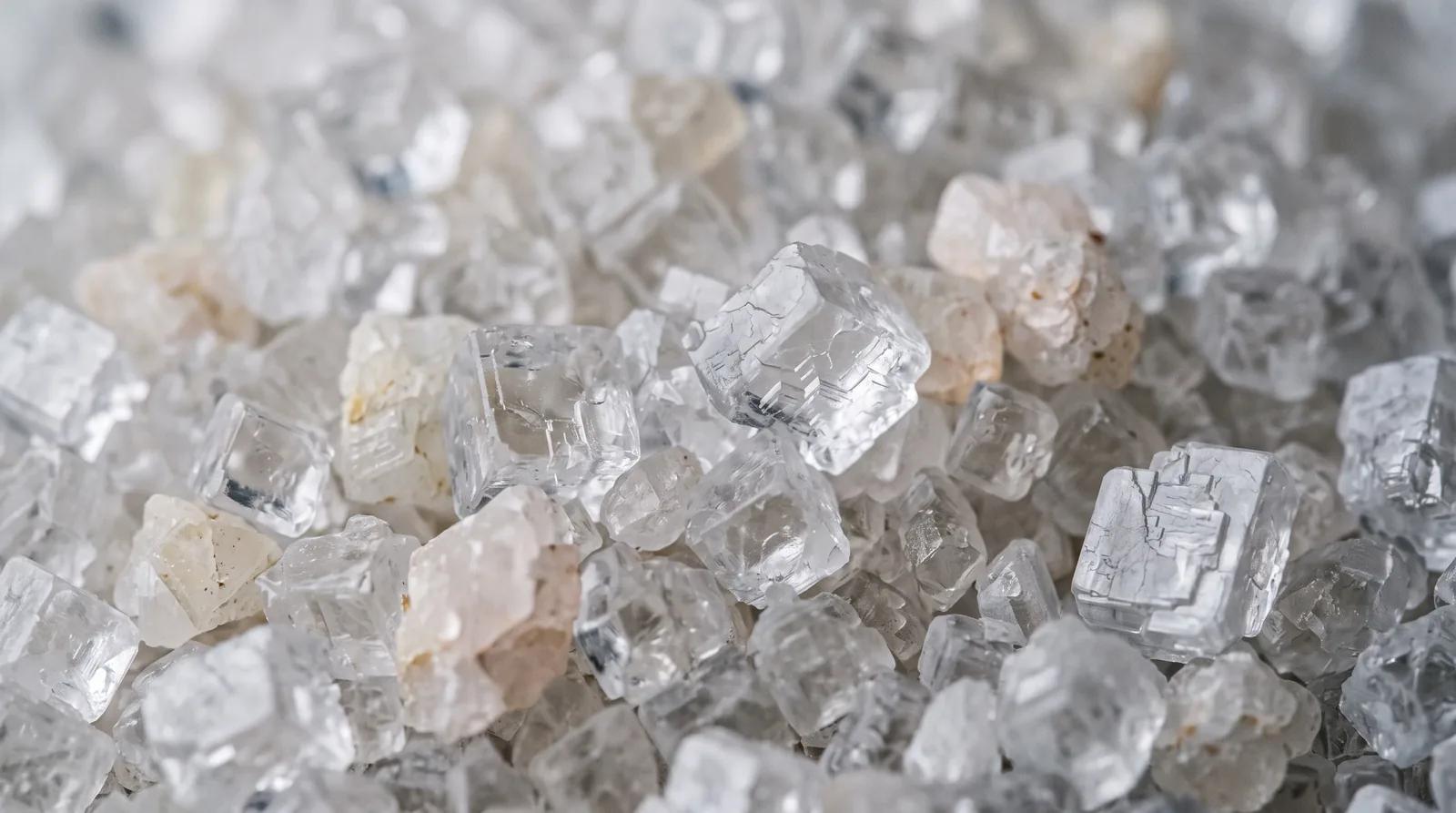
Supports thyroid function, normal metabolism and cognitive function.
Iodine is a trace mineral found in seafood, dairy, eggs and iodized salt. Many people who use sea salt or little salt get less than they might expect.
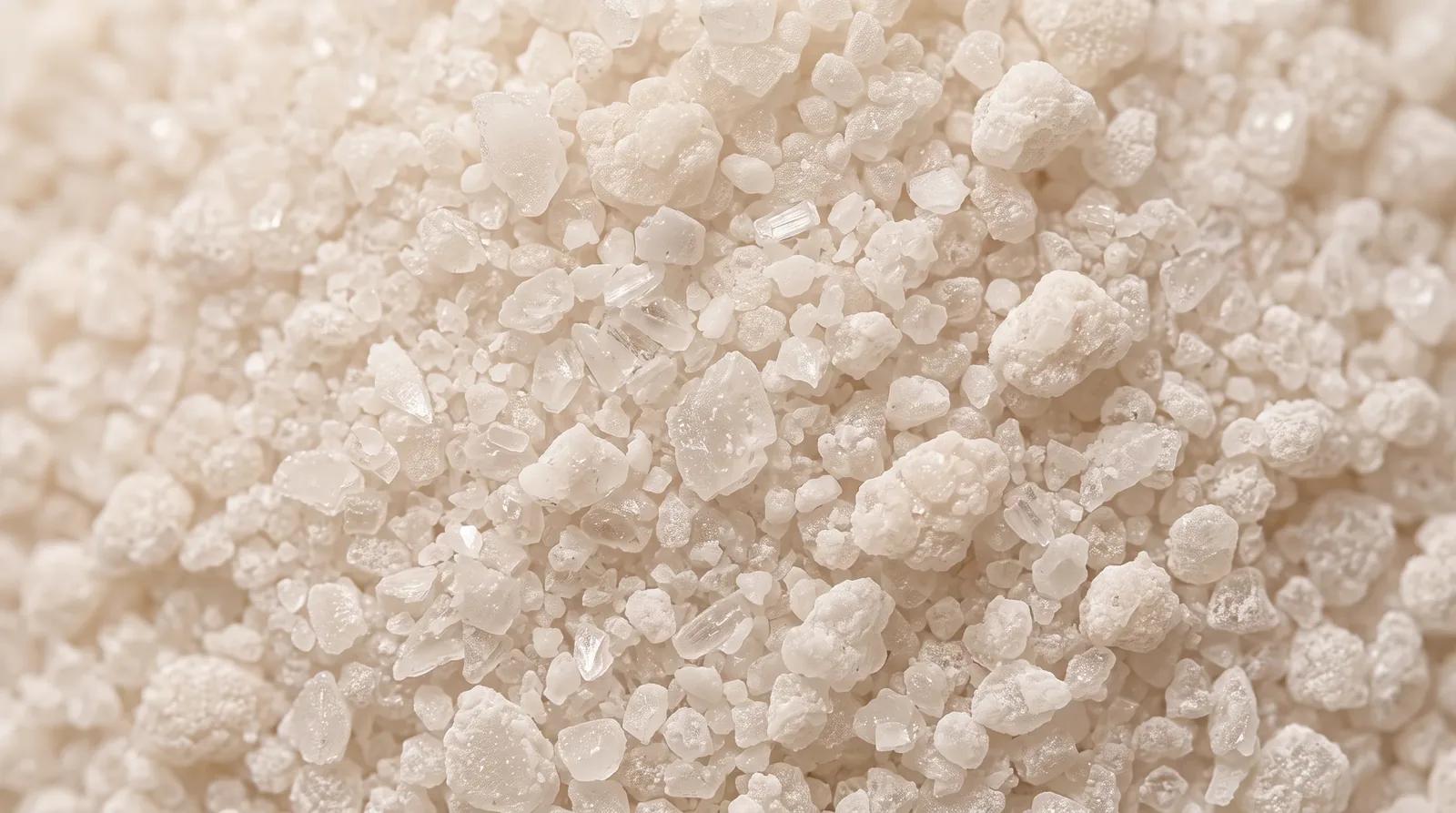
Supports muscle and nervous system function and relaxation, in a gentle, well-tolerated form.
Magnesium bisglycinate is magnesium bound to two molecules of the amino acid glycine. It is well absorbed and much gentler on digestion than many other forms, which means more magnesium can be delivered comfortably.
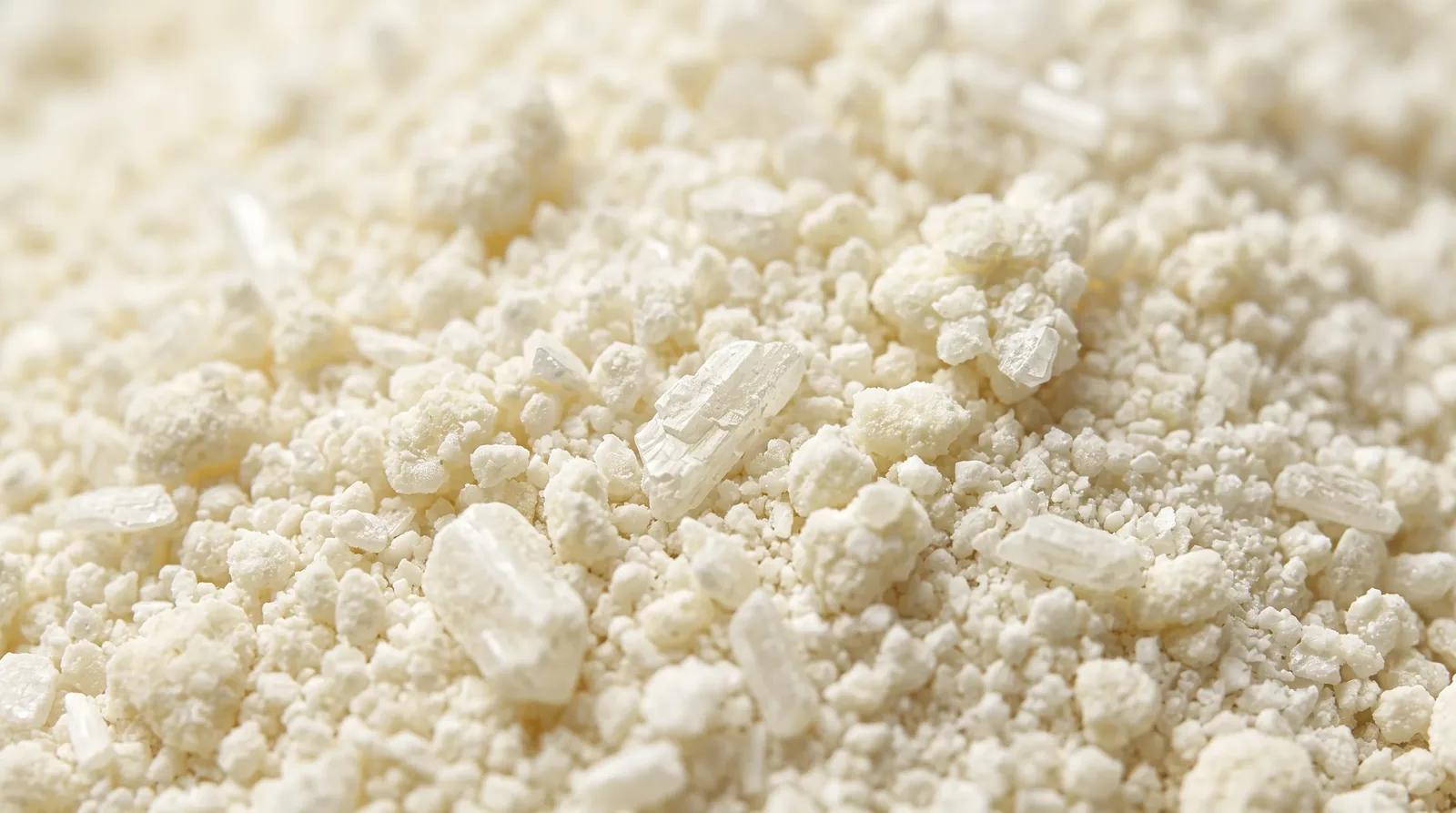
Supports energy metabolism and muscle and nervous system function, in a well-absorbed everyday form.
Magnesium citrate is magnesium bound to citric acid. It is one of the better-absorbed forms of magnesium, and at higher intakes it draws water into the gut, which is why it is associated with digestive regularity.
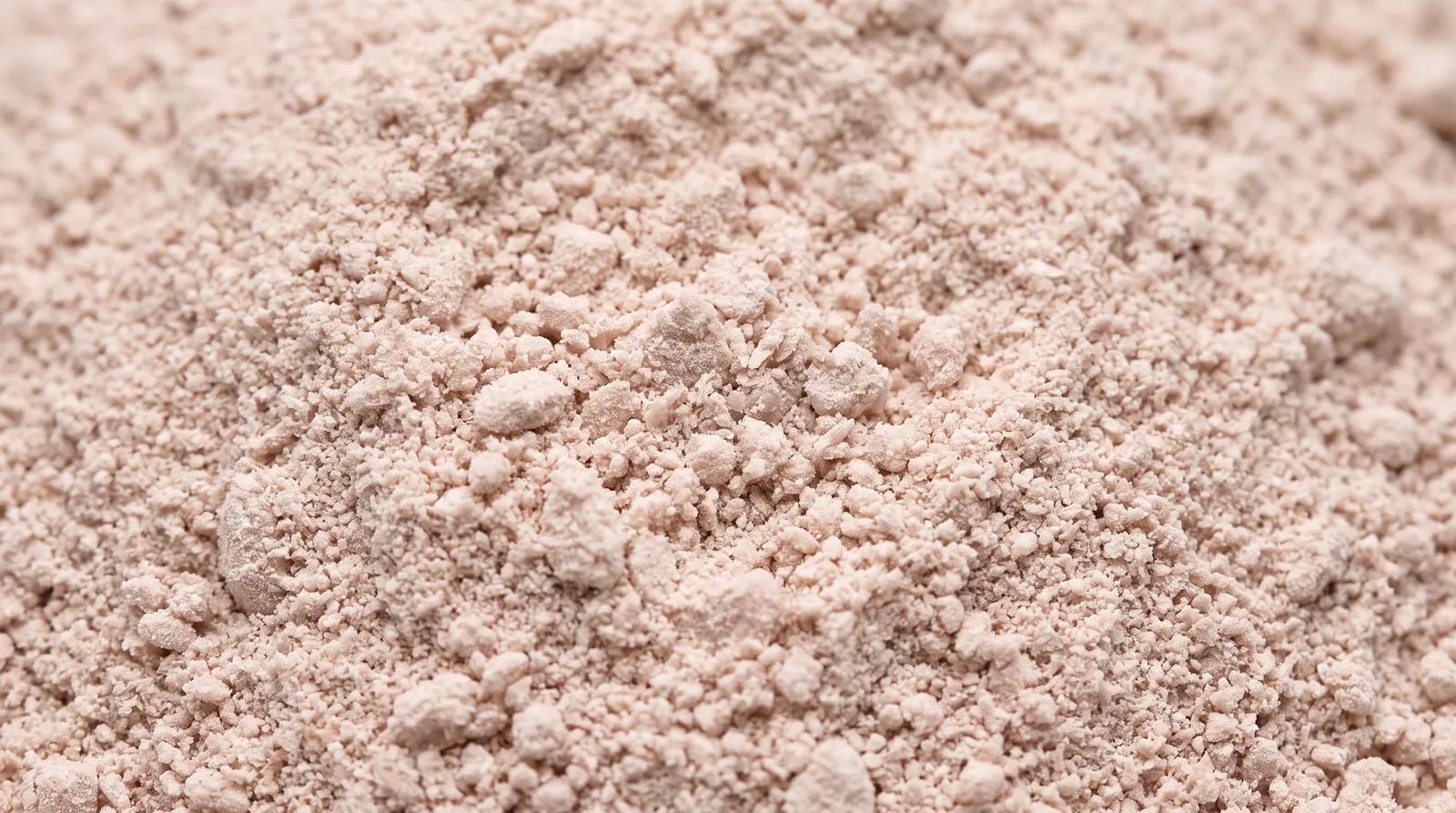
Supports energy metabolism, bone maintenance and antioxidant defense.
Manganese is a trace mineral found in whole grains, nuts, legumes and tea.
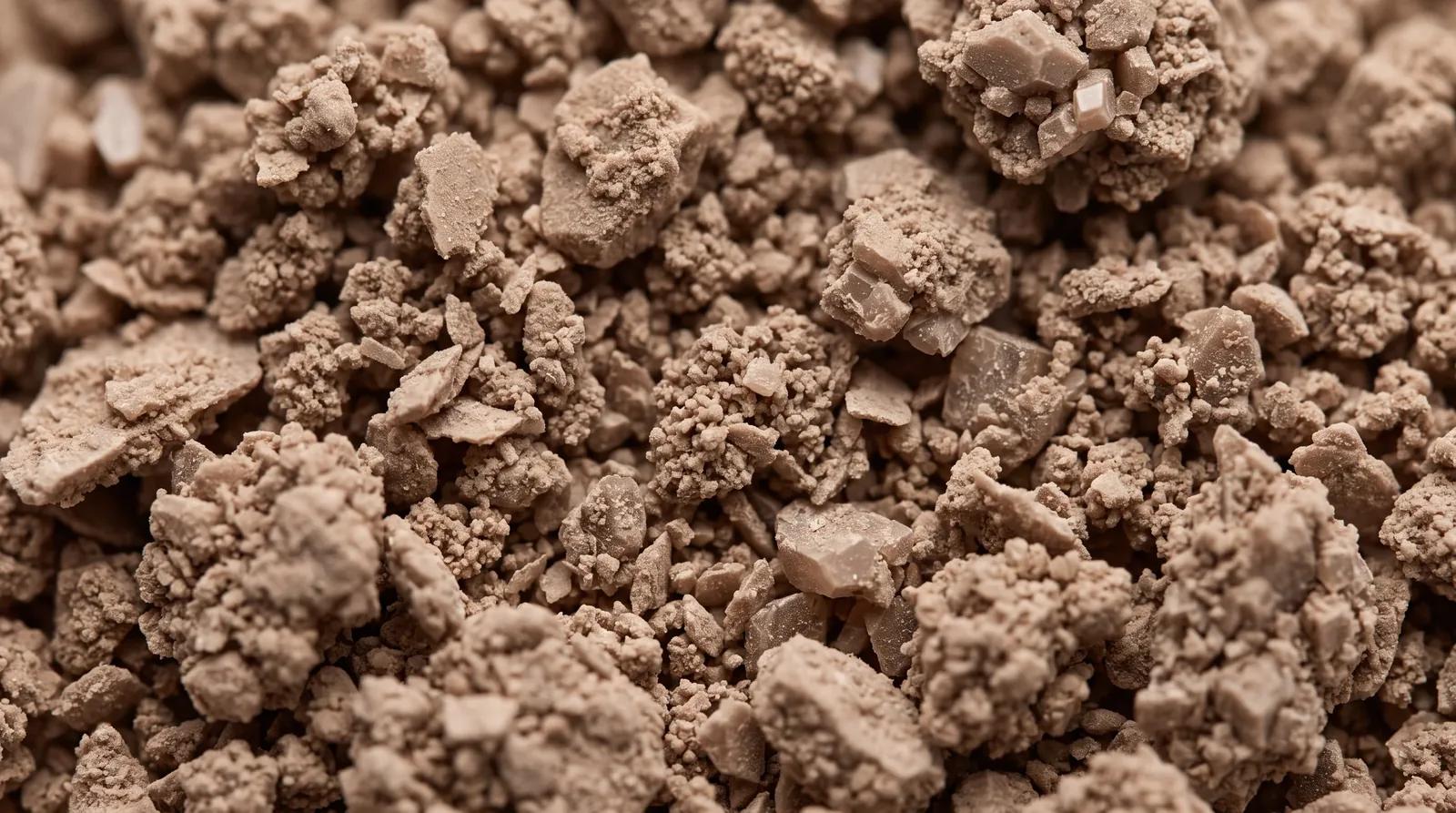
Supports thyroid function, immune function and antioxidant defense.
Selenium is a trace mineral. How much food provides depends a great deal on the soil it was grown in.
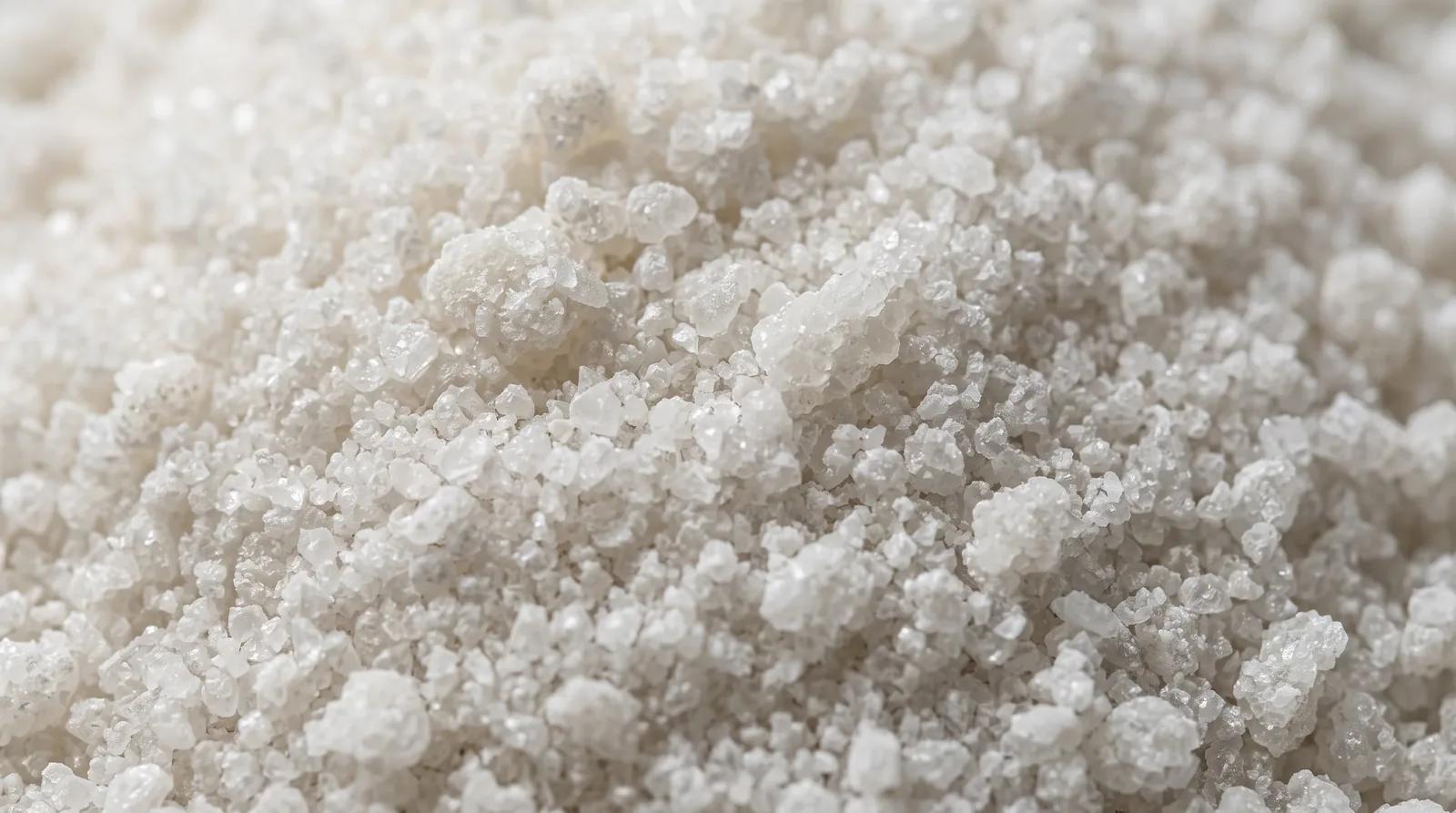
Supports immune function, healthy skin and normal fertility and reproduction.
Zinc is an essential mineral found mainly in meat, shellfish, legumes and seeds. The body has no dedicated store, so it needs a regular supply.

Supports focus, attention and cognitive function.
Citicoline is made naturally in the body. It provides both choline, an essential nutrient, and cytidine, which the brain uses to build and repair its cell membranes.
Supports memory and the body's response to stress.
Phosphatidylserine is a fat-based compound concentrated in the membranes of brain cells.

Supports skin elasticity and hydration.
Collagen is the most abundant protein in the body and gives structure to the skin. Hydrolyzed collagen peptides are broken down into small fragments that are easily absorbed.
Supports joint comfort and skin hydration.
Hyaluronic acid occurs naturally in joint fluid and skin, where it holds large amounts of water. We use a low-molecular-weight form, which is better suited to oral use.
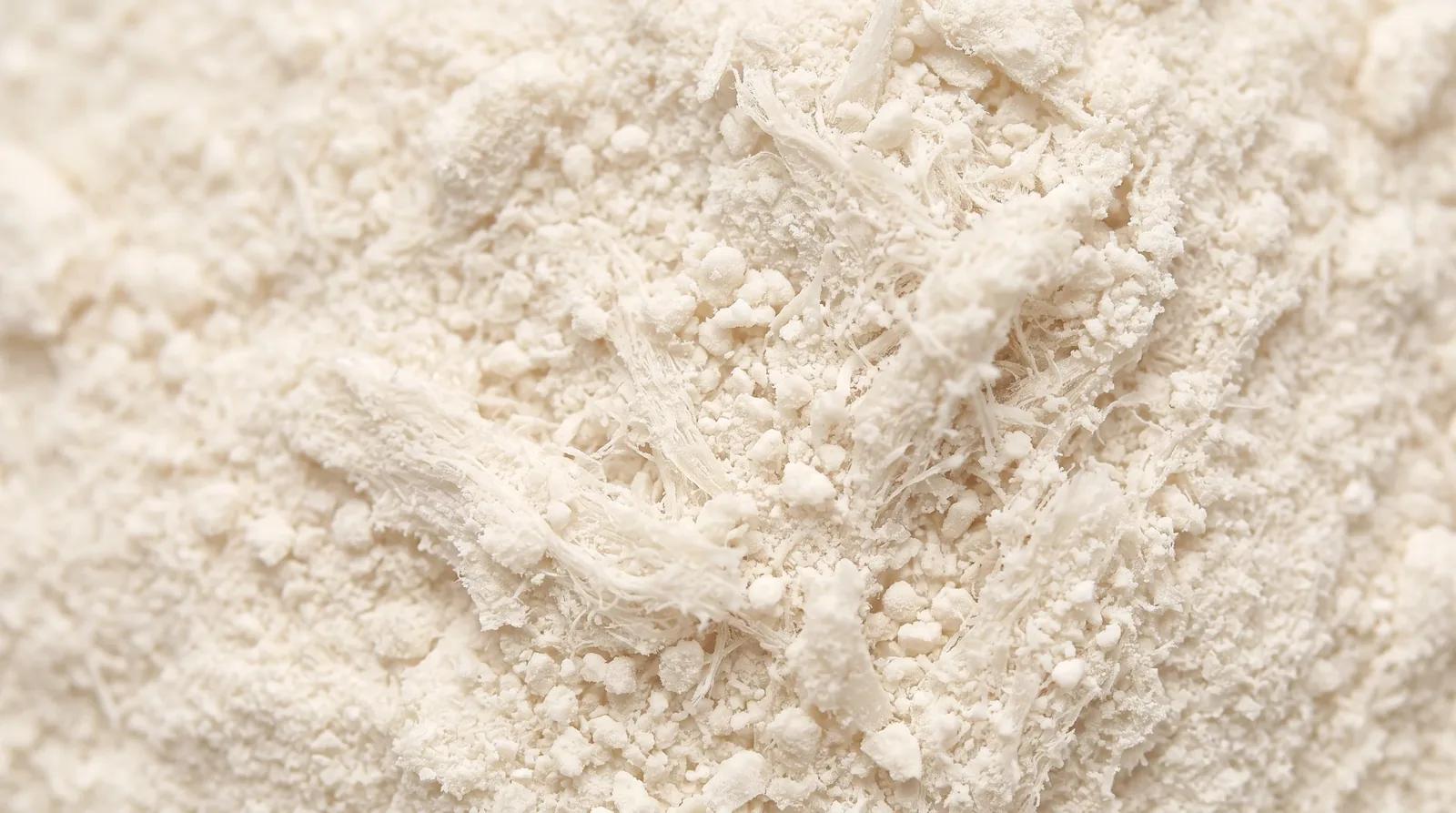
Supports joint comfort and cartilage health.
Type II collagen is the main protein in cartilage. The undenatured form keeps its natural structure, and only a small amount is needed.


Supports cognitive function and mental clarity.
Lion's mane is an edible mushroom named for its shaggy white spines. We use an extract of the fruiting body, the part of the mushroom that grows above ground.
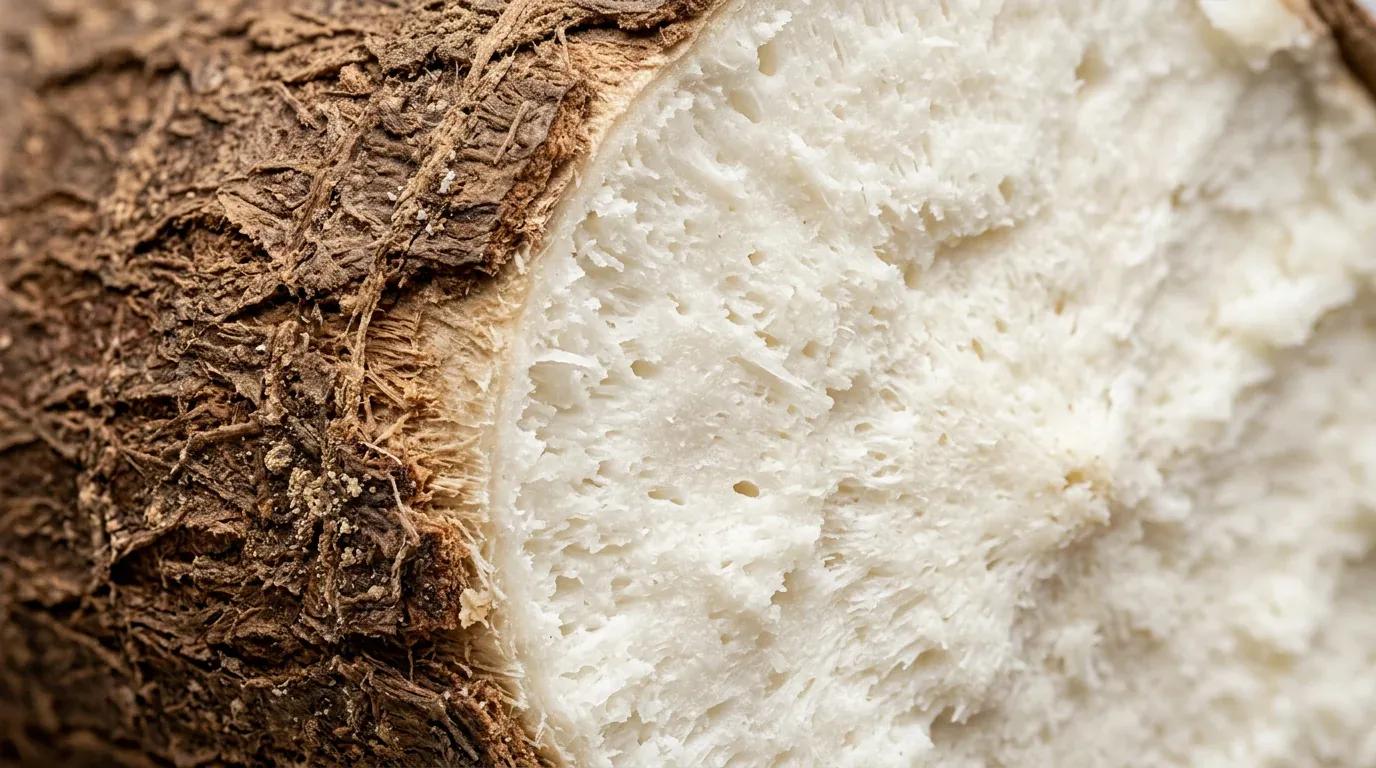
Supports digestive comfort and feeds the healthy bacteria in your gut.
This is a soluble fiber made from tapioca starch. It dissolves completely, has almost no taste, and passes through the small intestine without being digested.
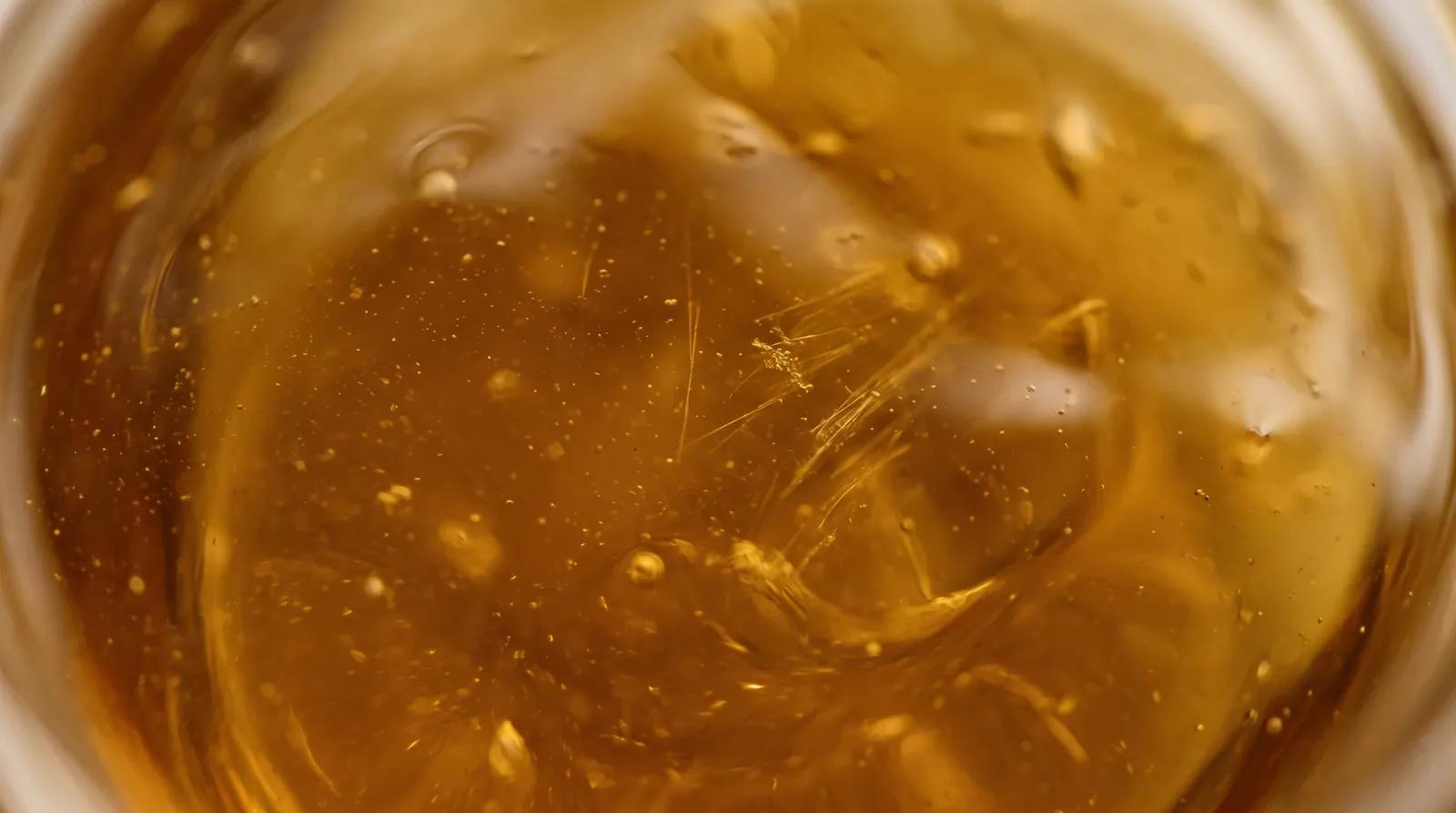

Supports normal vision, immune function and healthy skin.
Vitamin A is a fat-soluble vitamin that the body stores in the liver. Retinyl palmitate is preformed vitamin A, the same form found in liver, eggs and dairy, which the body can use directly.
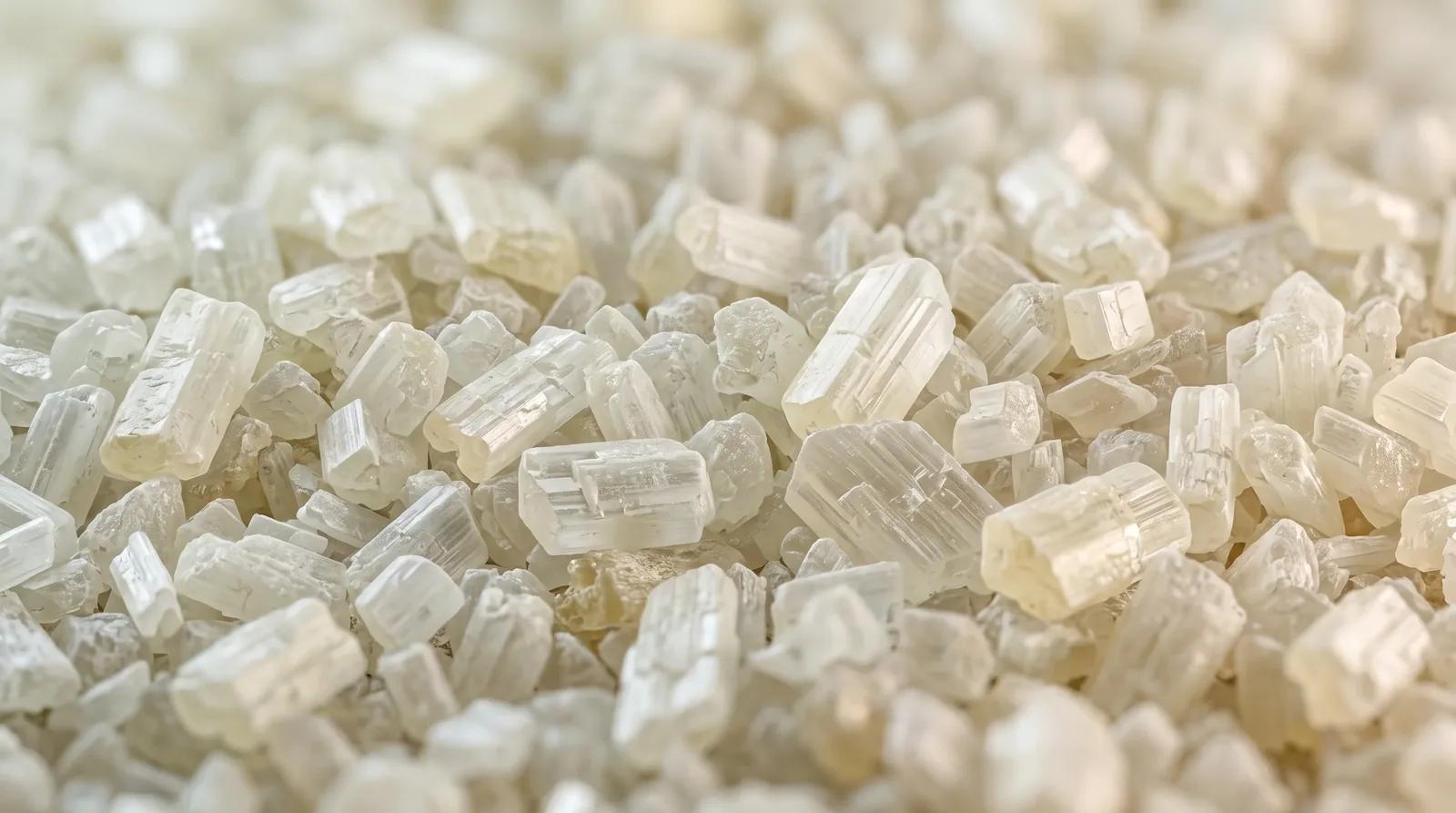

Supports normal energy metabolism and nervous system function.
Thiamine is an essential, water-soluble B vitamin. The body can't make it and stores very little, so it relies on a steady supply from food or supplements.
Supports energy metabolism, nervous system function and red blood cell formation.
Vitamin B12 is found almost only in animal foods. Methylcobalamin is one of its active forms, which the body can use directly.
Supports energy production, healthy skin and normal vision.
Riboflavin is a water-soluble B vitamin. The body uses it to build two coenzymes, FAD and FMN, which are active in dozens of metabolic reactions.
Supports energy metabolism, nervous system function and healthy skin.
Niacinamide is a form of vitamin B3. Unlike niacin, it doesn't cause the warm flushing of the skin that some people find uncomfortable.
Supports energy metabolism and mental performance.
Pantothenic acid is a water-soluble B vitamin found in small amounts in many foods, which is where its name comes from (the Greek pantos, "everywhere").
Supports energy metabolism, nervous system function and hormonal balance.
Pyridoxal-5-phosphate, or P-5-P, is the active form of vitamin B6. The body can use it directly, without converting it first.
Supports macronutrient metabolism and healthy hair, skin and nails.
Biotin is a water-soluble B vitamin found in eggs, nuts, seeds and some vegetables. Bacteria in the gut also make small amounts.
Supports healthy red blood cell formation and normal homocysteine metabolism.
Methylfolate is the active form of folate, the vitamin B9 found in leafy greens and legumes. Folic acid, the form used in many supplements, has to be converted before the body can use it. Some people make that conversion less efficiently than others.

Supports immune function, collagen formation and antioxidant defense.
Vitamin C is a water-soluble vitamin that humans, unlike most animals, can't make for themselves. It's found in fruit and vegetables, and the body doesn't store much of it.
Supports immune function and the maintenance of healthy bones and muscles.
Vitamin D3 is the form the skin makes when exposed to sunlight. Few foods contain much of it, so how much you have depends heavily on where you live, the time of year and your skin tone.

Supports antioxidant defense and protects cells from oxidative stress.
Vitamin E is a fat-soluble vitamin found in nuts, seeds and plant oils. It is a family of related compounds, and mixed tocopherols provide several of the forms found naturally in food, rather than just one.
Supports healthy bones and the body's normal use of calcium.
Vitamin K2 is a fat-soluble vitamin found in fermented foods and some animal products. The MK-7 form stays active in the body longer than other forms.
These statements have not been evaluated by the Food and Drug Administration. This product is not intended to diagnose, treat, cure or prevent any disease.